
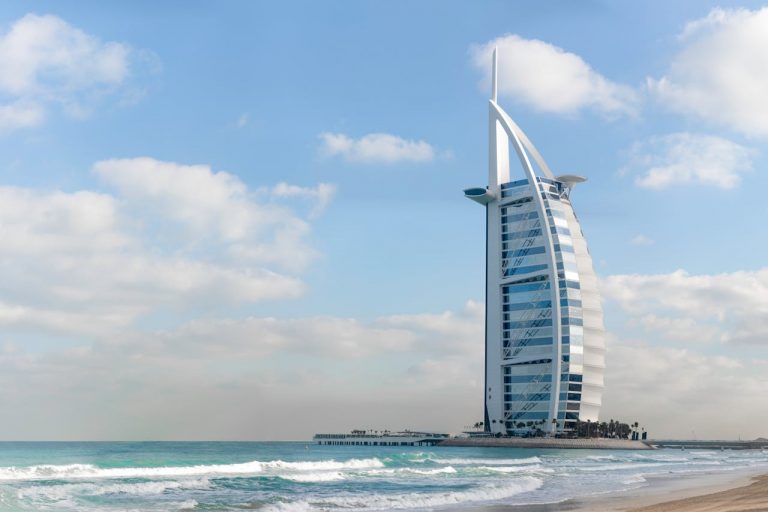
As we approach 2025, “Dubai real estate” market continues to evolve, driven by a combination of government initiatives, technological advancements, and an increasingly globalized economy. From residential developments to commercial spaces, Dubai remains one of the world’s most attractive real estate hubs. Here’s a look at what the future of Dubai’s real estate landscape could look like in 2025 and 2026.
1. Smart Cities and Technological Integration
Dubai is set to lead the charge in the global smart city revolution. The UAE government’s push towards integrating technology into daily life is expected to have a significant impact on the real estate market. Smart homes, autonomous vehicles, and AI-driven city planning are becoming a reality. Major developments like the Dubai Silicon Oasis and Dubai Creek Harbour are embracing smart technology, offering future residents the opportunity to live in tech-savvy, eco-friendly homes. Expect more properties equipped with cutting-edge smart home systems, from automated lighting and temperature control to enhanced security features.
2. A Boom in Sustainable Developments
With climate change at the forefront of global conversations, sustainable real estate is becoming a priority. Dubai’s real estate sector is responding with eco-friendly designs, energy-efficient buildings, and green infrastructure. Sustainable communities like Al Barari and The Sustainable City are setting new standards for the market. By 2025, Dubai is expected to see even more high-rise towers and residential communities that incorporate renewable energy solutions, water conservation systems, and green building materials.
Investors, both local and international, are increasingly prioritizing green real estate, as sustainable buildings not only help reduce the carbon footprint but also offer better long-term returns due to lower operating costs.
3. Rise of Affordable Housing
While luxury developments in areas like Palm Jumeirah and Downtown Dubai continue to dominate the market, the next few years will also bring an increased focus on affordable housing solutions. The government is looking to ensure that middle-income groups are not excluded from the city’s real estate boom. This could result in an increase in affordable yet modern housing developments, particularly in up-and-coming areas like Dubai South and Dubai Investments Park.
The introduction of affordable housing policies and more accessible financing options for first-time buyers will likely make homeownership a reality for a larger portion of the population.
4. Continued Growth of Luxury Real Estate
Dubai’s luxury real estate market will remain resilient, especially as the city becomes an even more desirable destination for high-net-worth individuals (HNWIs) from around the world. From lavish penthouses to private villas with breathtaking views of the Arabian Gulf, demand for ultra-luxury properties will continue to rise.
High-profile international buyers, especially from countries like India, Russia, and China, are expected to keep driving demand. Super-prime properties in areas like Palm Jumeirah, Emirates Hills, and the newly developed Bluewaters Island will continue to fetch record prices. Developers are also introducing new concepts, such as private islands and sky villas, to meet the growing demand from elite investors.
5. Commercial Real Estate: A Shift Towards Flexibility
The COVID-19 pandemic has changed the way businesses operate, and its effects on commercial real estate are still being felt. While traditional office spaces have seen a decline in demand, the rise of hybrid work and flexible office solutions has led to the growth of coworking spaces and business hubs.
By 2025, Dubai’s commercial real estate market is likely to focus more on providing flexible, customizable office spaces. Areas like Dubai Design District (D3) and Dubai Internet City will continue to thrive as creative hubs, offering businesses a collaborative and agile working environment.
The demand for logistics and industrial spaces, particularly in areas like Jebel Ali Free Zone, will also remain high, driven by the growth of e-commerce and the city’s expanding role as a global trade and logistics center.
6. Real Estate Tourism and Short-Term Rentals
Dubai’s tourism sector has long been a driving force behind the real estate market, and by 2025, the impact of tourism on the housing market is expected to grow even stronger. With Expo 2020 leaving a legacy of world-class infrastructure, Dubai will continue to attract millions of visitors each year.
The rise of short-term rental platforms, such as Airbnb, will keep reshaping how tourists experience the city. In response, more real estate developers are creating tourism-friendly communities with services and amenities that cater specifically to short-term stays. These developments will help support the growth of Dubai as a global travel destination.
7. A More Diverse Real Estate Investment Market
Dubai has long been a haven for foreign investors, and this trend is expected to continue into 2025 and beyond. However, with evolving global economic trends, the investment landscape in Dubai will become even more diverse. Investors will not only be looking at high-end residential properties but will also be increasingly interested in mixed-use developments, industrial properties, and retail spaces.
Moreover, with the rise of real estate investment trusts (REITs) and other financial vehicles, investing in Dubai real estate will become more accessible to global investors, further fueling the market’s growth.
8. Dubai’s Position as a Global Business Hub
Dubai’s status as a global business hub will continue to strengthen, with major multinational companies setting up their headquarters in the city. This economic growth will stimulate both the commercial and residential markets, particularly in locations like Business Bay, Dubai International Financial Centre (DIFC), and Downtown Dubai.
With ongoing initiatives like the Dubai 2040 Urban Master Plan, the city’s infrastructure will continue to evolve, accommodating a growing population and business base. This master plan aims to create a more sustainable, efficient, and interconnected city, offering new opportunities for both investors and residents.
The Future Looks Bright for Dubai Real Estate
Dubai’s real estate market is on track for continued growth and transformation in the years to come. With a focus on sustainability, technological integration, and affordable housing, the city is positioning itself to meet the evolving needs of residents and investors alike. Whether you’re an investor eyeing the luxury market or someone looking for more affordable housing options, Dubai’s real estate sector offers a range of exciting opportunities in 2025 and 2026.
As Dubai continues to expand and innovate, its real estate market will remain one of the most dynamic and attractive in the world. If you’re thinking of investing in Dubai or simply interested in its real estate trends, now is an exciting time to keep an eye on this ever-evolving market.
Promote Your Property Listings
Property owners, developers, and real estate professionals looking to gain visibility during the 2025–2026 market cycle can add their property listings as links on a dedicated real estate platform. Listings can be submitted directly via: 👉 Add link
