Your complete guide to buying, renting and living in Puerto Banús — what it’s really like, what it costs, and who it suits.
As one of the standout destinations across the Costa del Sol, Puerto Banús offers an exceptional blend of natural beauty, architectural elegance, and a vibrant community atmosphere. Property seekers are continuously drawn to this micro-market for its unique balance of quiet residential seclusion and immediate access to top-tier coastal amenities, championship golf courses, and international schools.
The real estate landscape here features a diverse range of properties tailored to the luxury Mediterranean lifestyle—spanning contemporary designer villas, secure gated community townhouses, and high-yield investment apartments. Whether you are looking for a permanent family residence, a holiday getaway, or an appreciating real estate asset, Puerto Banús consistently delivers strong long-term value and high rental appeal.
Locals and residents enjoy a relaxed yet sophisticated way of life, with pristine nearby beaches, exceptional fine dining, and seamless connectivity via the main coastal routes to Marbella, Puerto Banús, and Málaga International Airport. Explore our curated property listings below to find your ideal home in Puerto Banús.
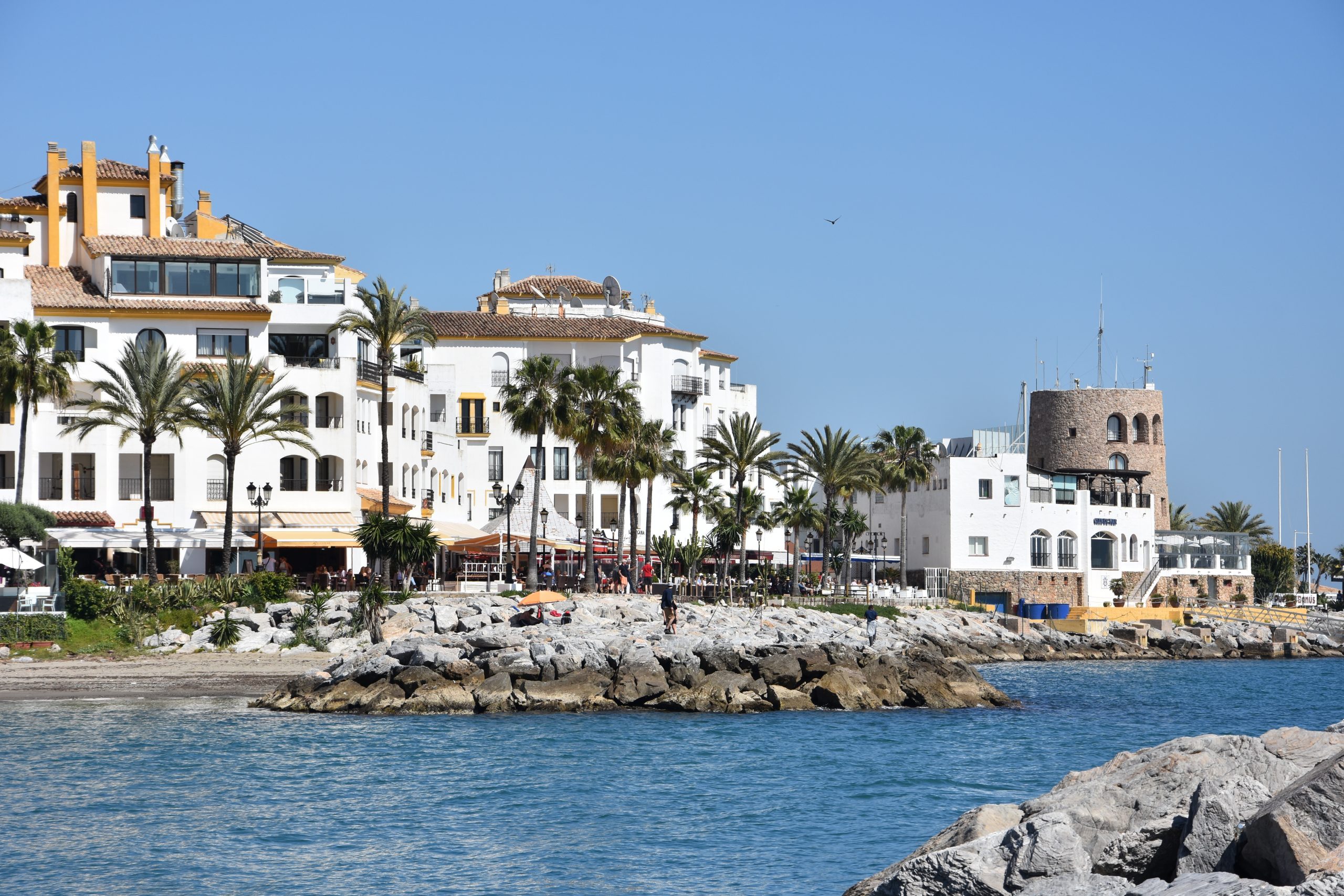
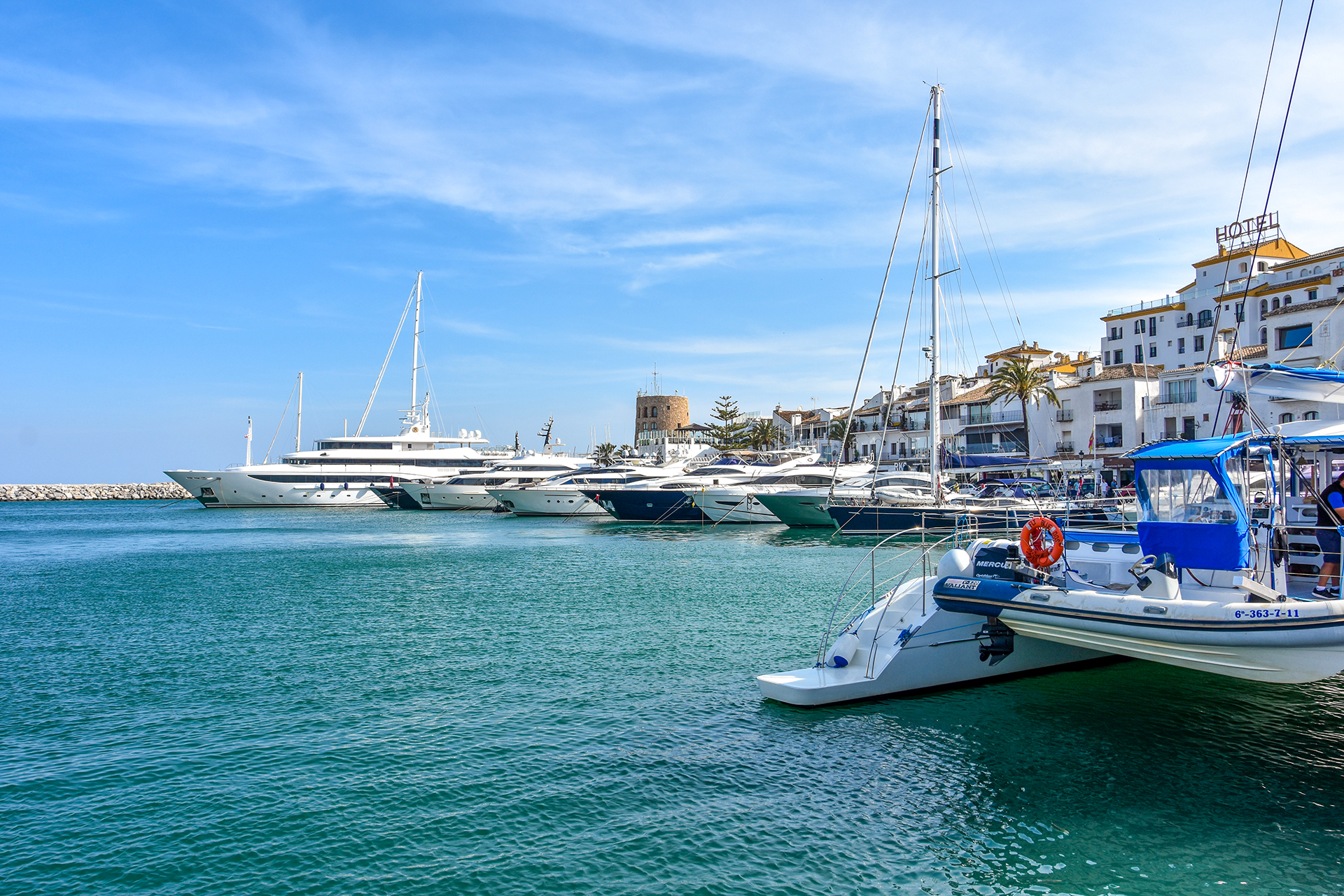
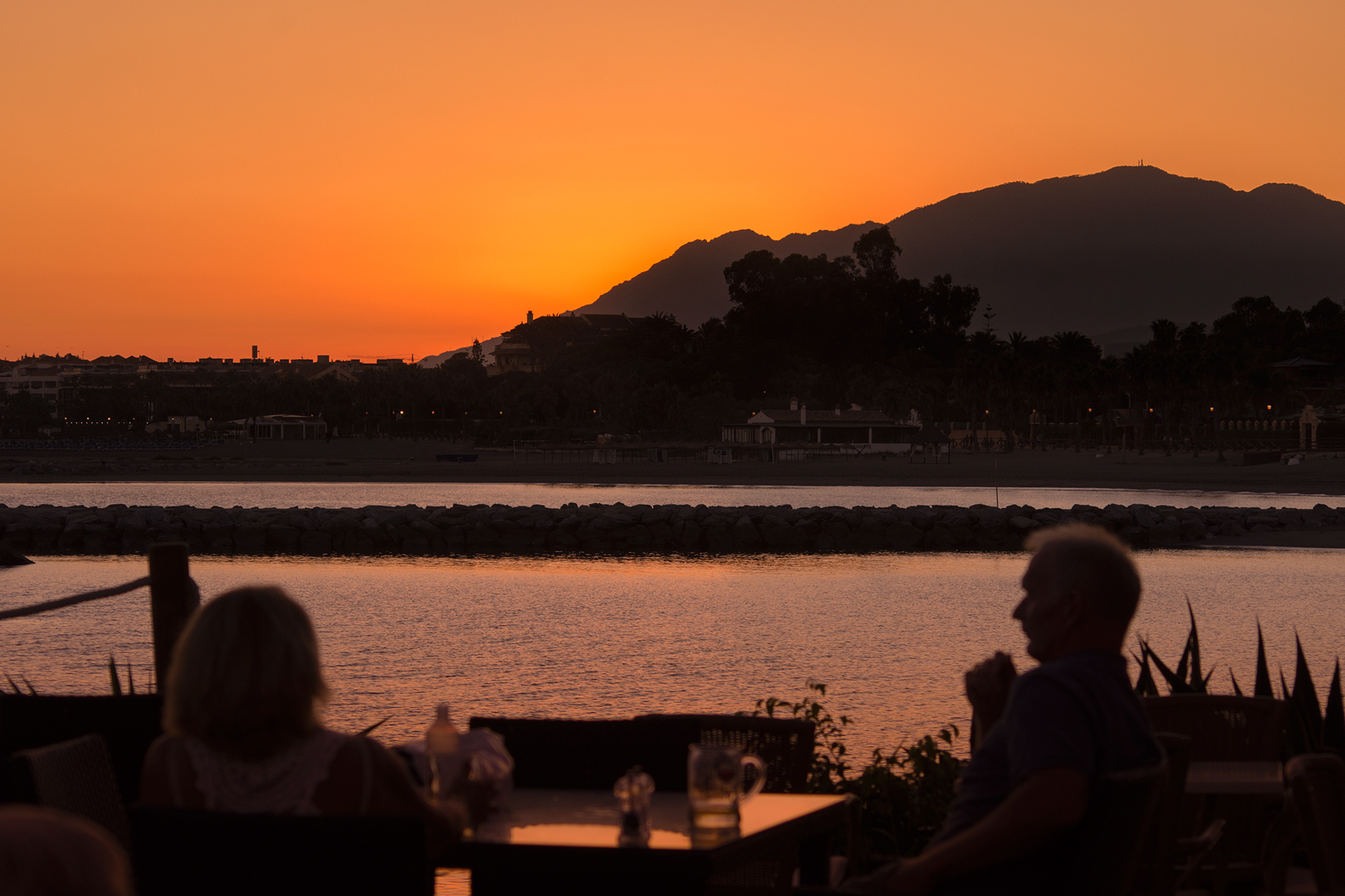
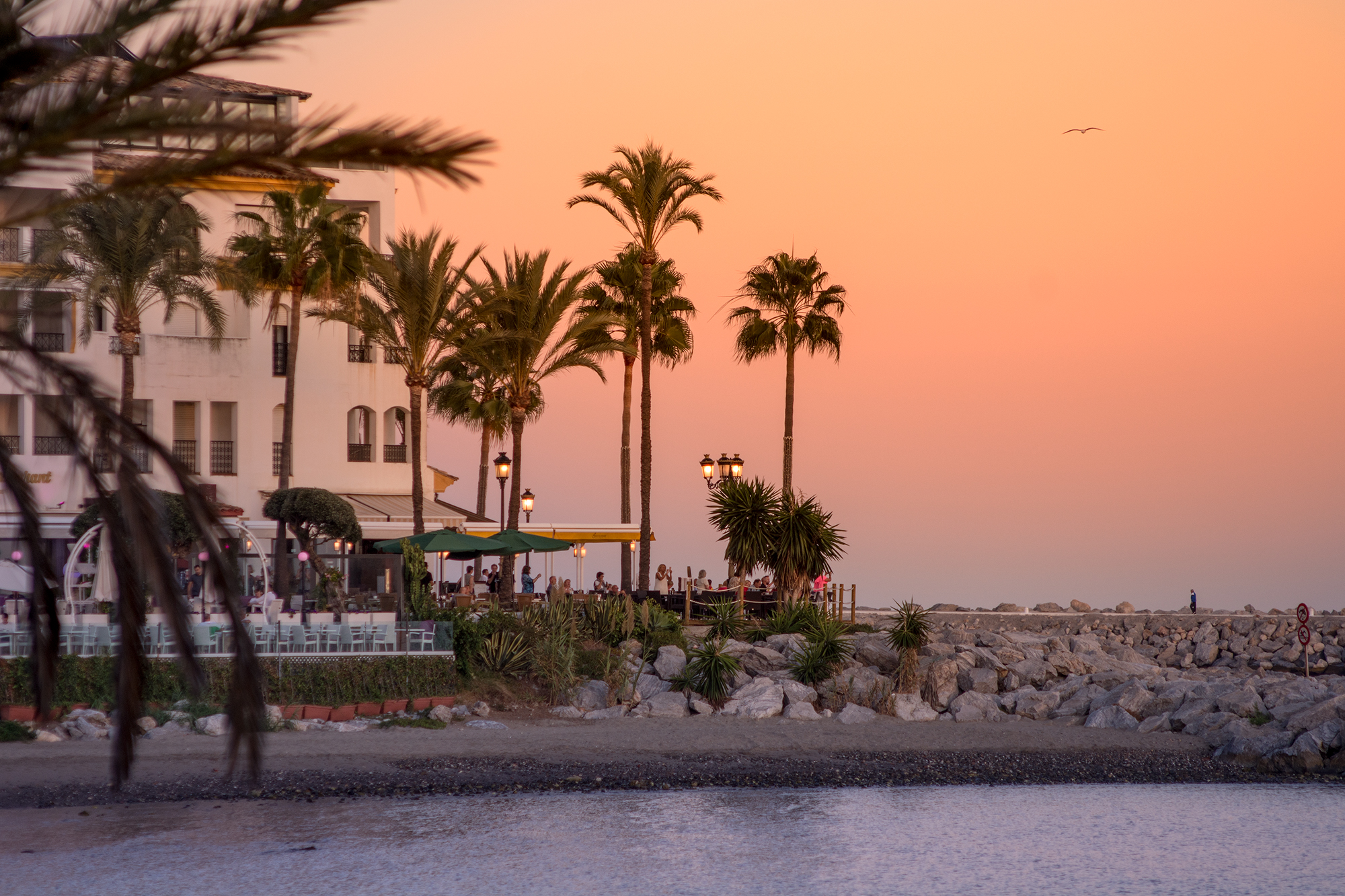
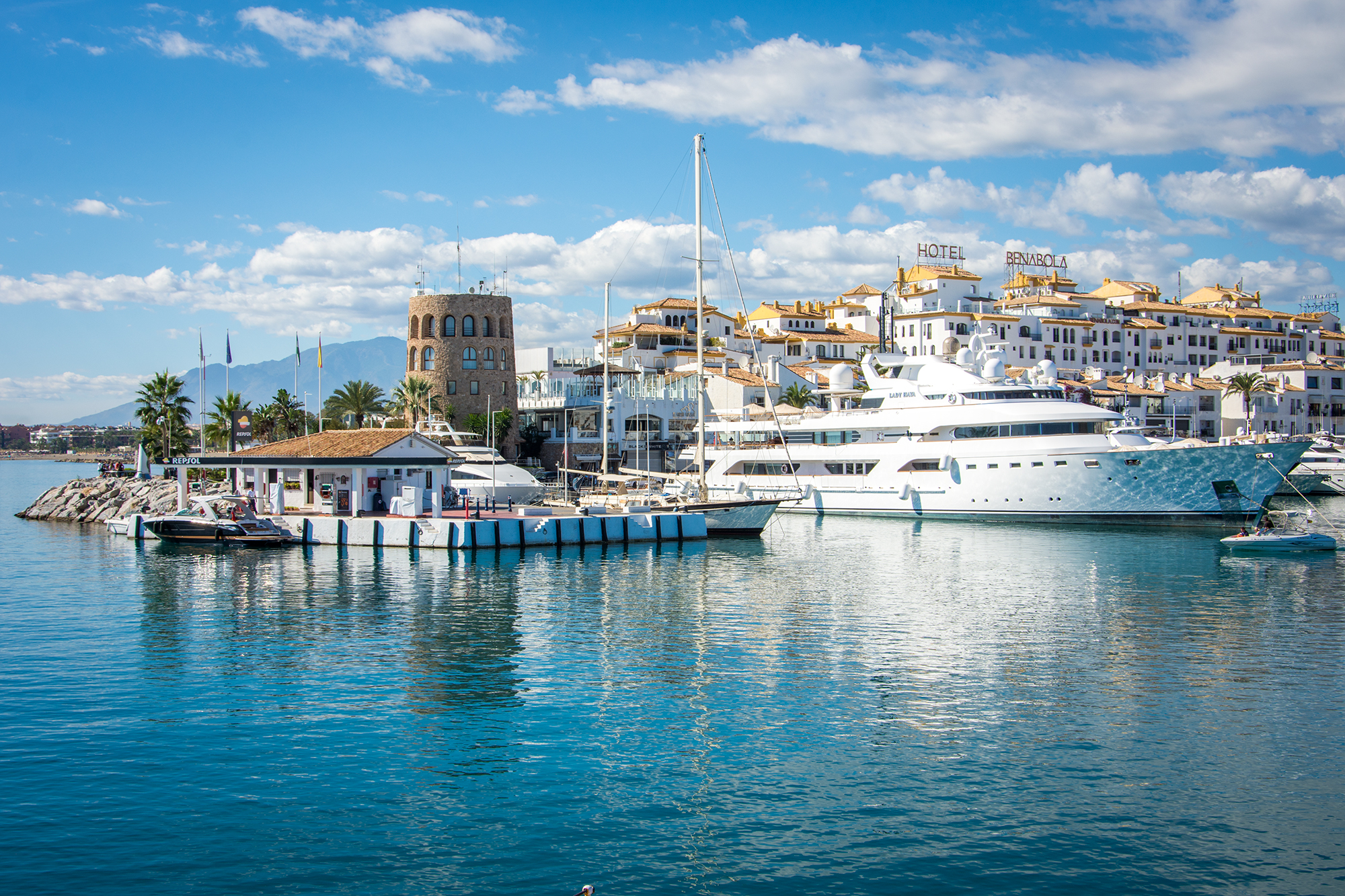
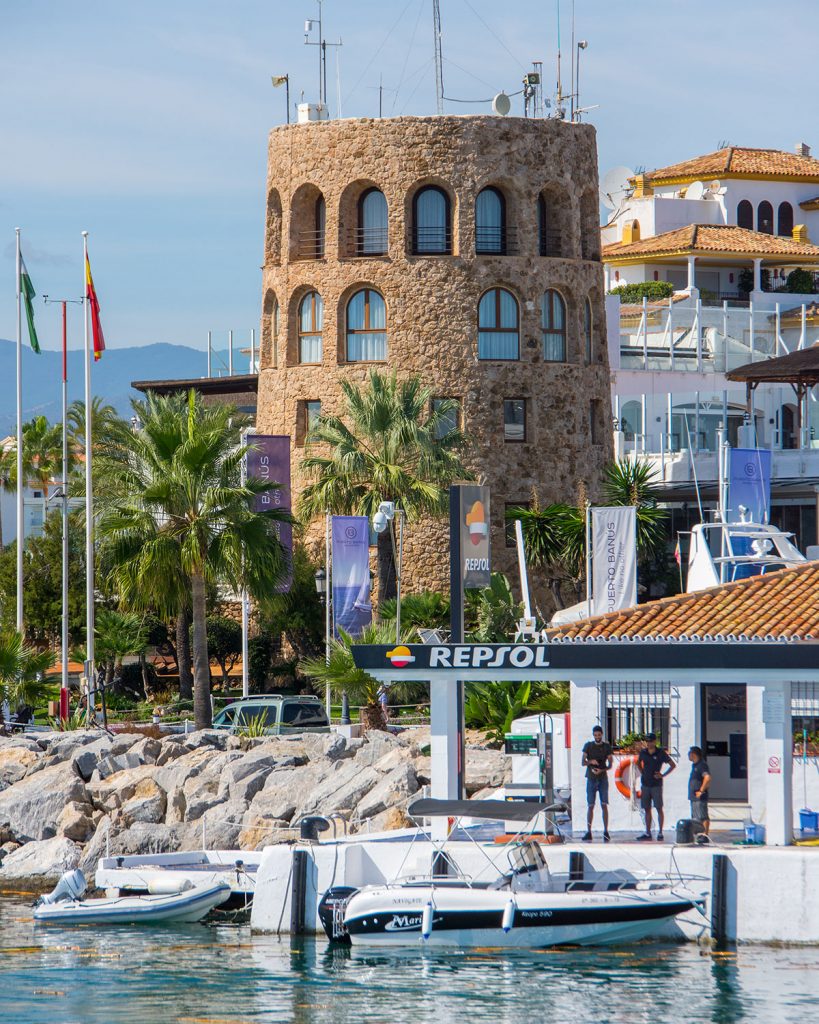
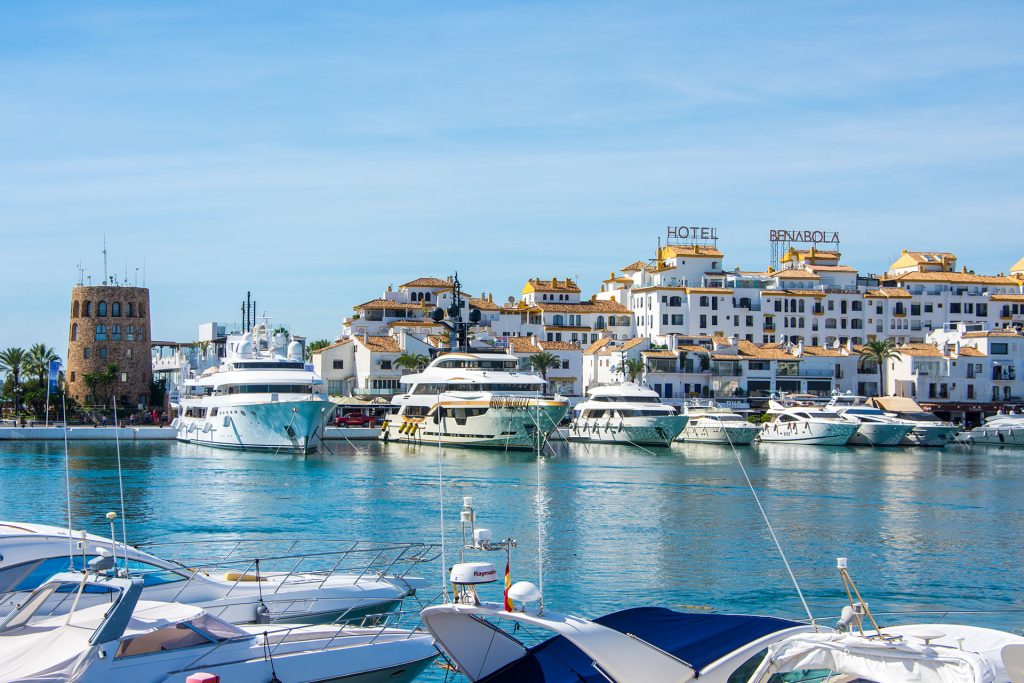
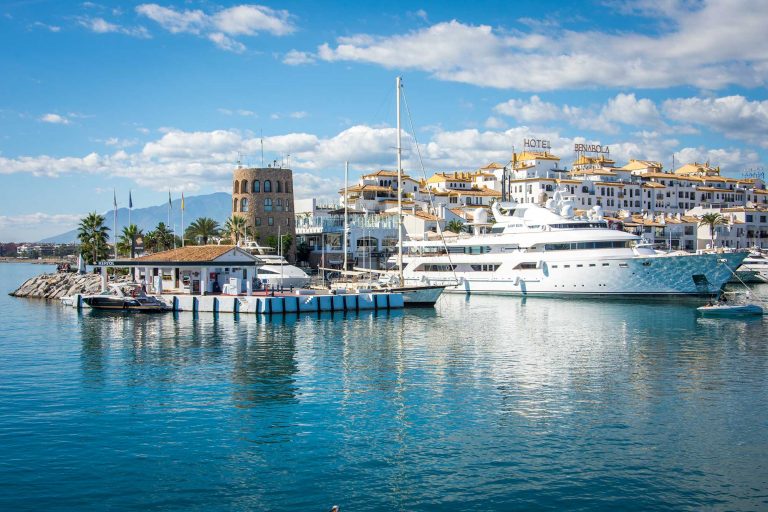
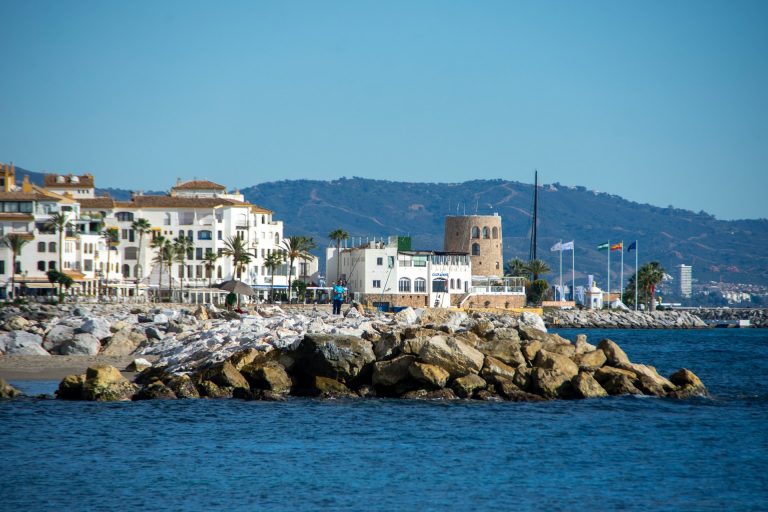
Puerto Banús exists on two levels, and which one you experience depends entirely on when you’re there. From June to September, it’s superyachts, designer shopping, beach clubs playing music until midnight, and a near-constant procession of people dressed to be noticed. It’s genuinely spectacular in a completely unsubtle way — the marina is one of the most recognisable in Europe, the restaurants fill up before 9pm, and the whole place operates at a pitch you either love or find exhausting.
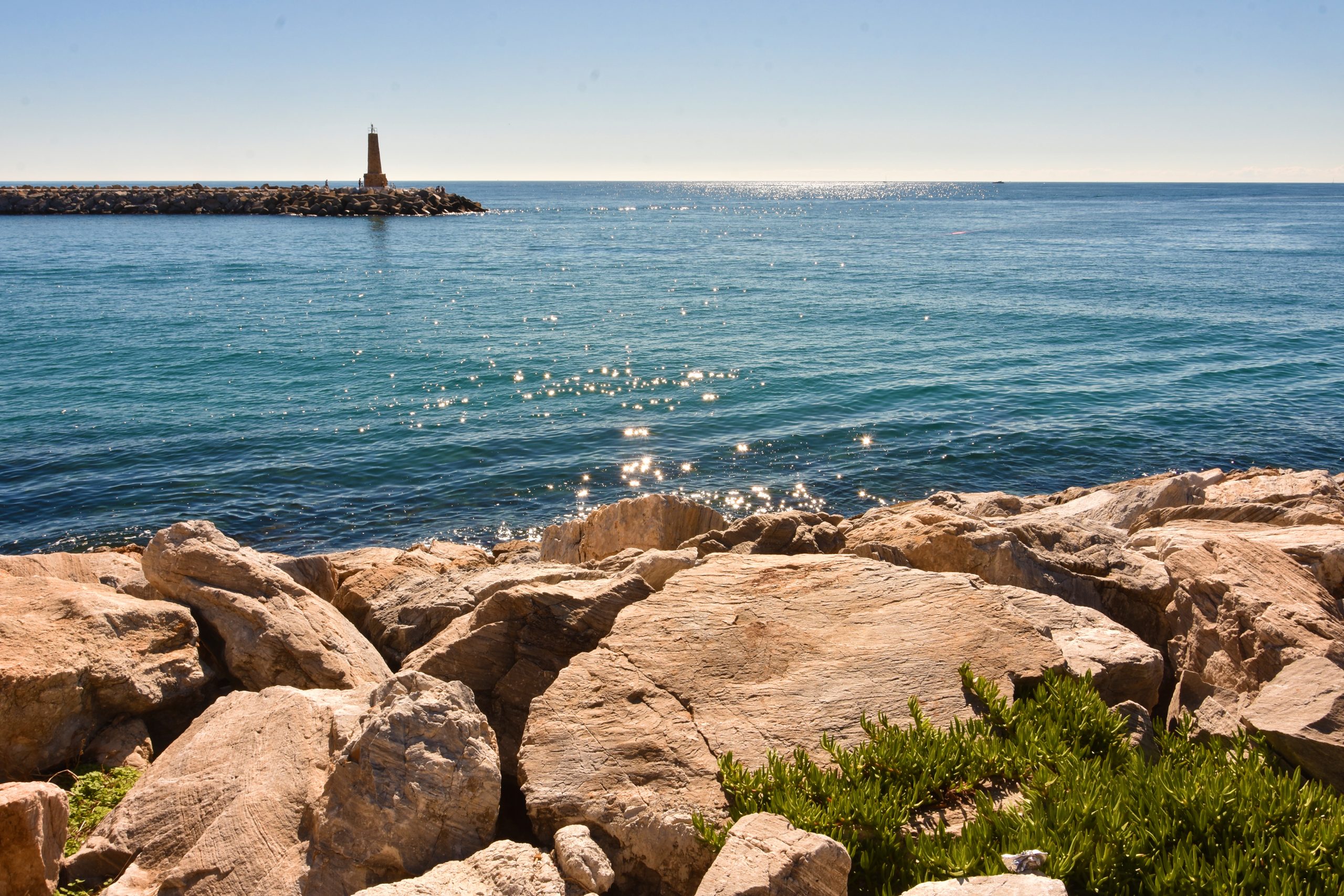
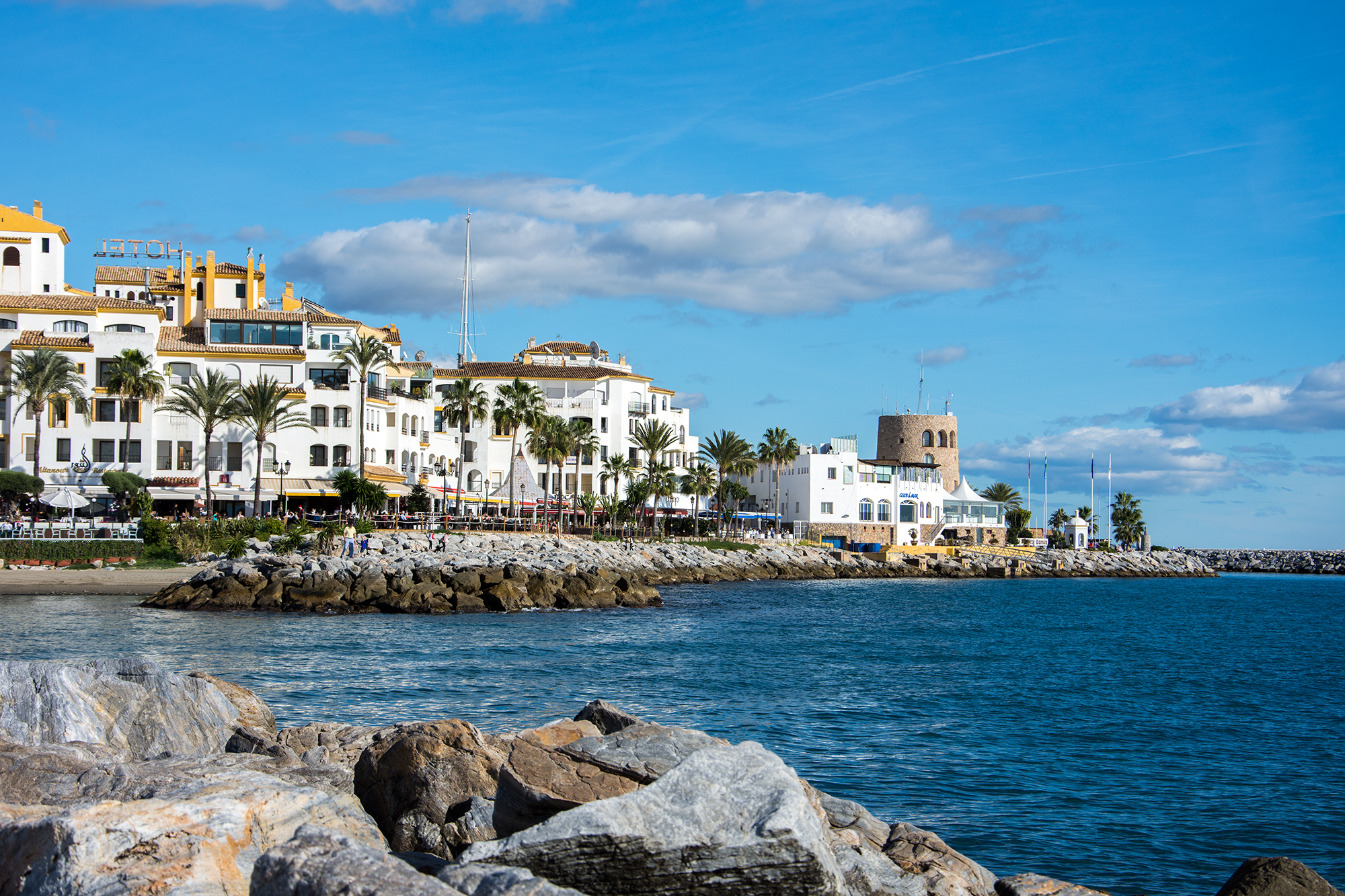
From October to May, it’s a different story. Quieter, more local, easier to park, and — for many people who live here — actually more enjoyable. The promenade remains beautiful year-round, the restaurants that stay open serve better food than you’d expect at fairer prices, and the beach is often deserted on weekday mornings in winter. A handful of expats genuinely prefer the off-season version and would rather have it to themselves.
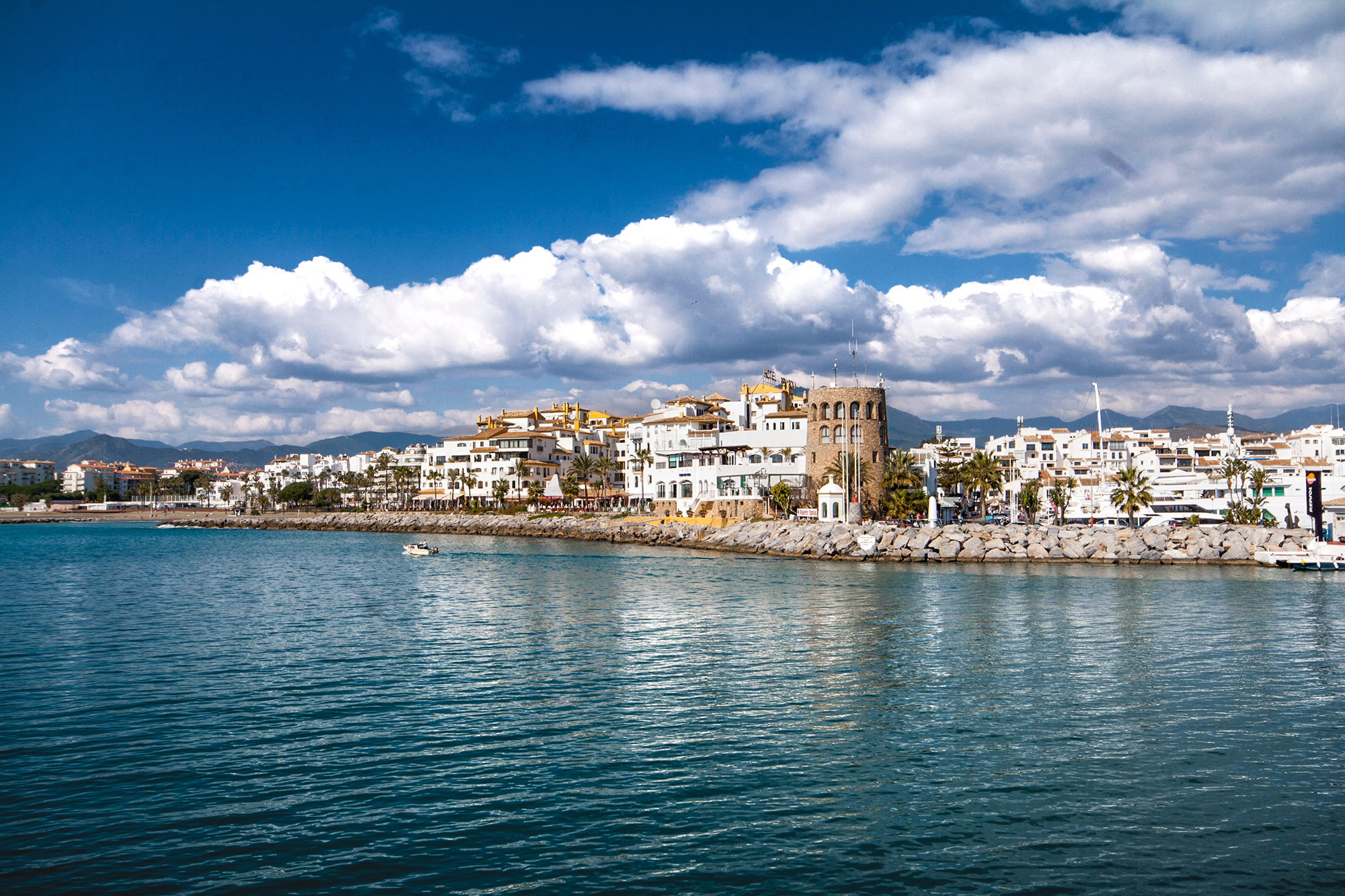
The marina itself is the centrepiece. Lined with restaurants, designer boutiques, and bars, it draws visitors and buyers from across Europe and the Middle East. El Corte Inglés provides the kind of department store convenience that makes daily life easy, and the wider Puerto Banús commercial strip offers most things you’d need. What it doesn’t offer much of is authentic local Spanish life — this is a resort destination that also happens to have permanent residents, not the other way around.

Puerto Banús commands some of the highest price-per-square-metre figures on the entire Costa del Sol. Marina-front apartments and beachfront properties regularly exceed €10,000/m², and average asking prices across the wider area sit around €7,000–€8,000/m². A two-bedroom apartment close to the marina will typically start at €800,000; high-end penthouses and villas can exceed €5 million without difficulty.
The dominant property type is apartments and penthouses — gated complexes with communal pools, underground parking, and concierge services. There are relatively few standalone villas directly within Puerto Banús itself, though the broader surrounding area (including parts of Nueva Andalucía adjacent to the marina) offers villa options. Supply of prime frontline units is genuinely constrained; well-priced marina-facing properties rarely stay on the market long. The investor case is straightforward — short-term holiday rental yields between 5–8% annually, with some premium waterfront properties performing higher in peak season.
Long-term rental is not the dominant use of property here — most landlords target the considerably more lucrative short-term holiday market, particularly in summer. For those seeking annual leases, a two-bedroom apartment will typically cost €2,500–€4,000 per month. Three-bedroom units and townhouses closer to the beach or marina start at around €4,000 and go well above €6,000 for premium positions.
The shortage of genuine long-term rental supply is more acute here than almost anywhere else on the western Costa del Sol. If you’re planning to rent long-term in Puerto Banús rather than buy, start looking at least three months ahead, be prepared to move quickly, and expect prices that reflect the area’s investment appeal.
Area
Buy price low
Buy price high
Rent price low
Rent price high
The most prestigious and most expensive addresses in Puerto Banús. Apartments overlooking the harbour and the largest yachts carry a significant premium. Limited supply and consistent demand make these extremely resilient investments.
One of the most sought-after beachfront complexes on the Costa del Sol. Direct beach access, strong rental demand, and a very loyal base of repeat buyers. Prices reflect the scarcity.
A quieter, upmarket beachside community just east of the marina. Gated, well-maintained, and popular with buyers seeking beach access with slightly more privacy than the marina front provides.
A prestigious gated community of villas and spacious apartments set back slightly from the marina, surrounded by mature gardens. Popular with families and longer-term residents who want Puerto Banús proximity without the noise.
A more residential zone within walking distance of the beach and nightlife. Lower-key than the marina front, popular with families and retirees who want the lifestyle without the full summer intensity.
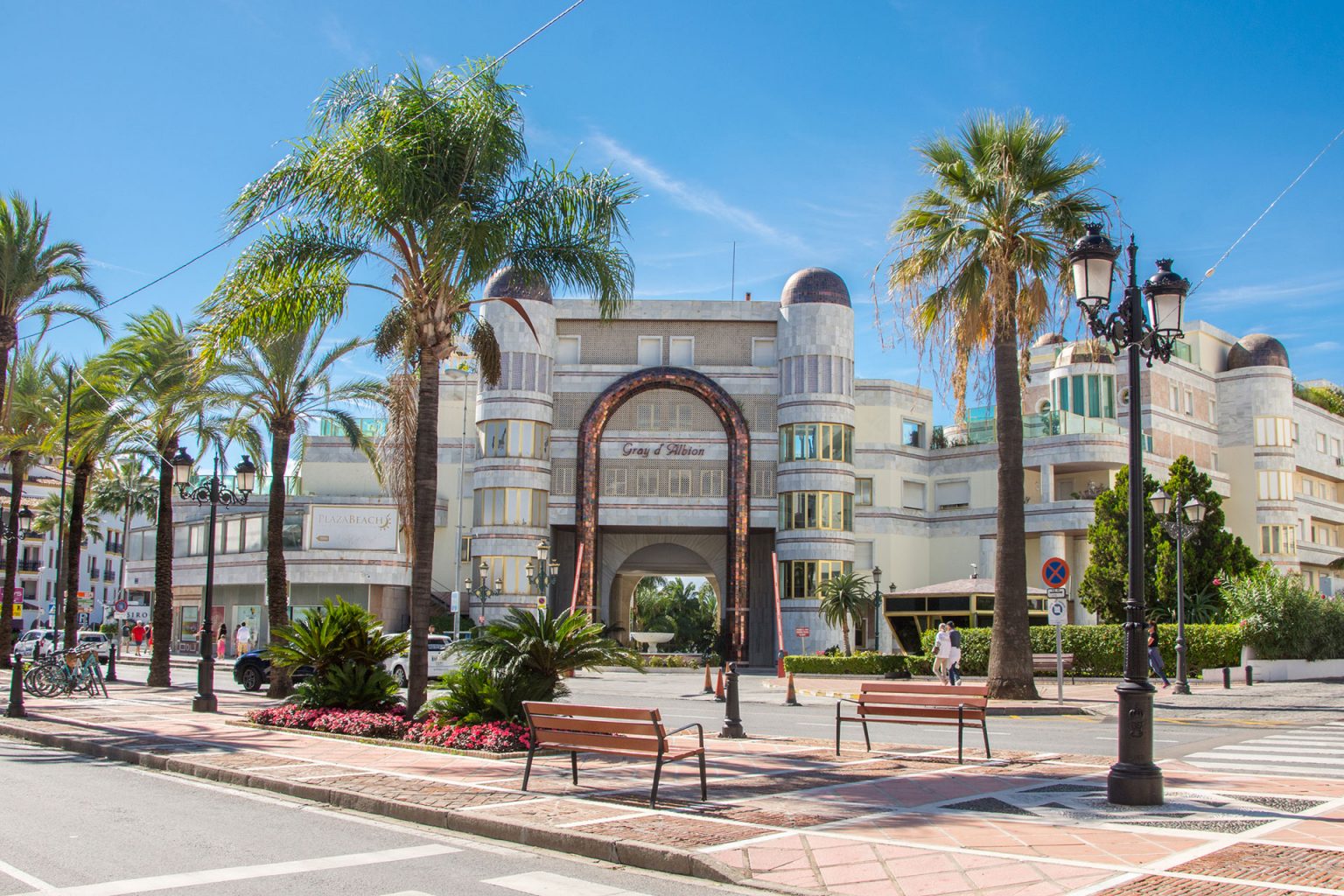
An Arabian-inspired luxury complex known for its tropical gardens, fountains, and pools, close to the beach. Popular with both buyers and short-term rental investors for its distinctive character and consistent demand.
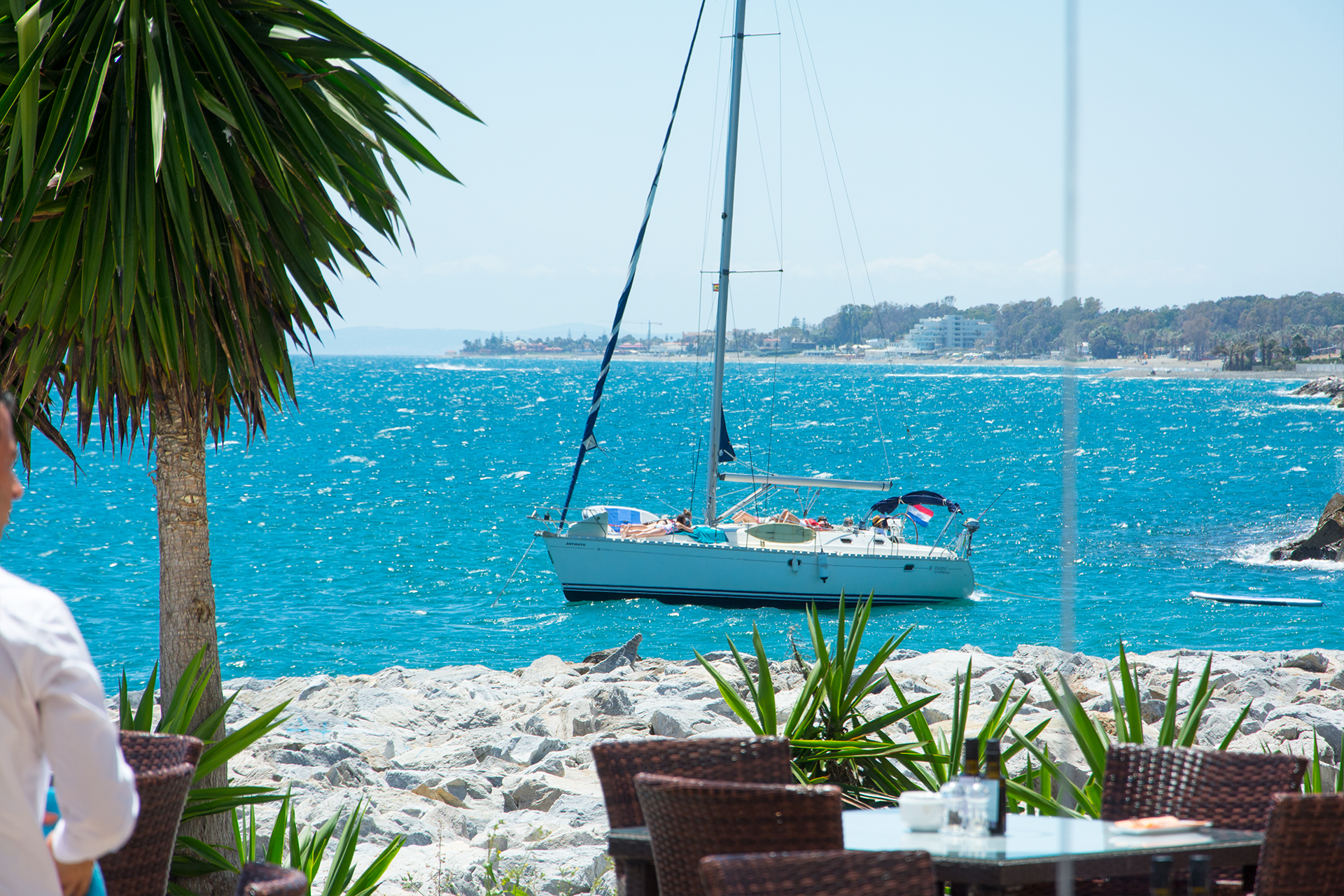
Puerto Banús is built around its marina, and the dining scene reflects that — a dense strip of restaurants, beach clubs and see-and-be-seen terraces facing the superyachts. Prices run higher than almost anywhere else on the coast, but quality is generally strong and the choice is huge, from sushi and steakhouses to classic Spanish seafood.
There's no course inside Puerto Banús itself, but Nueva Andalucía's "Golf Valley" — Las Brisas, Aloha, Los Naranjos — is a five-minute drive inland, so golfers based here lose none of the convenience.
The marina and its surrounding streets have a genuinely international, transient-luxury feel — yacht crews, seasonal residents, and a large short-term rental population alongside a smaller core of year-round owners. It's a good fit for buyers who want to be in the middle of the action rather than a quiet residential community.
Note: Large, well-stocked supermarkets close to residential zones for convenient everyday grocery shopping.
Yes — Puerto Banús offers excellent security, quiet residential streets, green parks, and close proximity to premium international schools along the coast.
Property prices in Puerto Banús vary significantly depending on the type of property, ranging from comfortable apartments to luxury villas. For current, specific market data, please view our detailed property listings for Puerto Banús.
While some areas of Puerto Banús offer walkable amenities, having a car is highly recommended for exploring the wider Costa del Sol, commuting to major hubs, and accessing specific services or beaches comfortably.