If you’re moving to the Costa del Sol, one practical question usually comes up early: is the tap water safe to drink?
The short answer is yes. Tap water in both Istán and Benahavís is treated to meet Spain’s strict drinking water standards and is considered safe for normal consumption. Like elsewhere in Spain, it is regularly tested for microbiological and chemical quality under national and European regulations.
That said, some residents still choose to filter their water—not because it’s unsafe, but because they prefer the taste or want to reduce the effects of naturally hard water.
In this guide, we’ll explain where the water comes from, why Istán has such a strong local reputation for water quality, and whether buying bottled water is really necessary.
Thinking of moving to the area? Explore our Istán Area Guide for more local insights on living, property and lifestyle.
Where Does the Water Come From?
Although Istán and Benahavís are neighbouring municipalities, their water supplies combine regional infrastructure with local natural sources.
The La Concepción Reservoir, located on the Río Verde just below Istán, is one of the Costa del Sol’s most important water sources. Built in the early 1970s, it supplies drinking water to much of the western Costa del Sol after treatment at the Río Verde drinking water treatment plant.
Benahavís
Benahavís receives drinking water from a combination of:
- Surface water from La Concepción Reservoir
- Water from the Guadalmina River
- Several local groundwater wells and aquifers managed by Aguas de Benahavís
The municipality explains that its supply is diversified to improve resilience, with groundwater providing part of local demand while the regional network supplies the majority of treated drinking water. Water quality is monitored continuously and results are reported to Spain’s National Drinking Water Information System (SINAC).
Istán
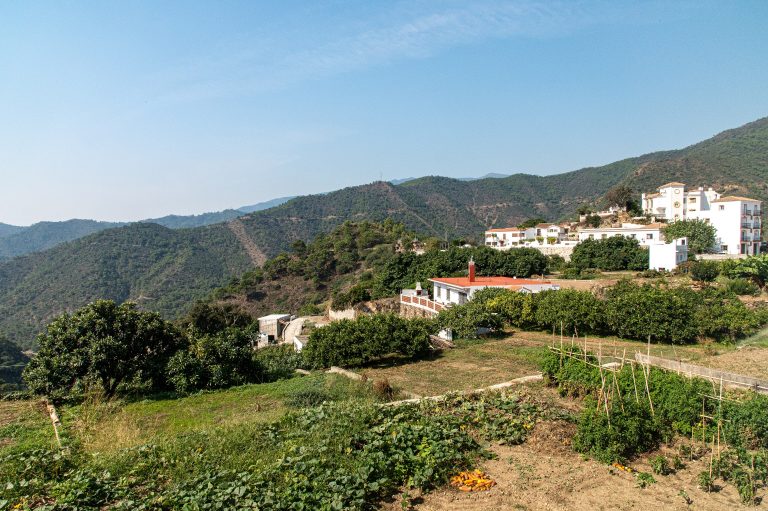
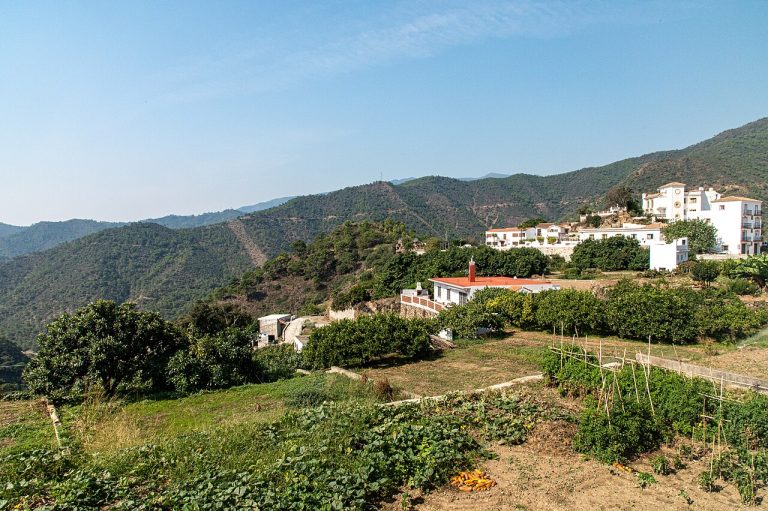
Istán is closely associated with the Río Verde and the natural springs that emerge in the Sierra de las Nieves. The municipality sits above the reservoir that supplies much of the Costa del Sol, giving the village a long-standing reputation for fresh mountain water.
Like other municipalities in the region, drinking water supplied to homes is treated and monitored before distribution to ensure it complies with national health standards.
Why Does Istán’s Water Have Such a Good Reputation?
Ask local residents about Istán and there’s a good chance someone will mention the water.
Part of that reputation comes from the area’s geography. Surrounded by mountains and natural springs, Istán has long been known as the “Spring of the Costa del Sol,” with water playing a central role in the village’s history.
While the water reaching your tap is treated like any modern public supply, many residents feel it has a fresher taste than water in some larger coastal towns.
It’s worth remembering that taste is subjective. Two people drinking the same water may have completely different opinions, particularly if they’re used to softer water in northern Europe.
What Does the Water Taste Like?
One of the main differences newcomers notice isn’t safety—it’s hardness.
Much of the Costa del Sol has moderately hard to hard water, meaning it contains naturally occurring minerals such as calcium and magnesium.
This can result in:
- Limescale on kettles and shower screens
- White deposits around taps
- Slightly different taste compared with softer water
Hard water isn’t generally considered a health concern. In fact, the minerals it contains are naturally occurring and are commonly found in drinking water supplies.
Some people simply prefer filtered water because it softens the taste or reduces limescale in household appliances.
How Does Benahavís Compare?
Benahavís has an excellent reputation for drinking water quality as well.
Although the municipality uses several different water sources—including local groundwater—it operates within the same regulated public water system that serves much of the western Costa del Sol.
According to Aguas de Benahavís, drinking water is subject to continuous analytical monitoring, with results submitted to the national SINAC database. The utility states that the water supplied meets all legal requirements for human consumption. Recent published records in SINAC classify the municipal supply as “Agua apta para el consumo” (“Water suitable for consumption”).
For most residents, there is little practical difference between drinking tap water in Benahavís and other nearby municipalities.
Should You Use a Water Filter?
This is where personal preference comes into play.
You probably don’t need a filter for safety.
The municipal supply is already treated and tested before it reaches your home.
You may still want one for convenience.
Many households install simple jug filters or under-sink systems to:
- Improve taste
- Reduce chlorine flavour
- Minimise limescale in kettles and coffee machines
- Extend the life of certain appliances
If you already enjoy the taste of the tap water, there’s no requirement to filter it.
Why Do So Many Expats Still Buy Bottled Water?
If tap water is safe, why do you still see people loading large packs of bottled water into supermarket trolleys?
In many cases, it’s simply habit.
Some people come from countries where bottled water is the norm, while others prefer its taste or like the convenience of keeping chilled bottles at home.
Others use bottled water only for drinking while happily using tap water for cooking, tea, coffee and brushing their teeth.
Increasingly, however, many residents are moving away from bottled water altogether by using reusable bottles with home filtration systems. This reduces plastic waste while providing the flavour they prefer.
Ultimately, it’s a lifestyle choice rather than a necessity for most households connected to the public supply.
Final Thoughts
For anyone relocating to the area, the good news is straightforward: tap water in both Istán and Benahavís is generally safe to drink and is subject to rigorous quality controls under Spanish regulations.
The main decision isn’t whether the water is safe—it’s whether you enjoy its taste. Some residents drink it straight from the tap, while others use simple filters to reduce chlorine flavour or cope with hard water.
If you’re planning a move, it’s one less thing to worry about.
For more practical advice on living in the area, local amenities and the property market, explore our Istán Area Guide before starting your search.
Can You Live in Fuengirola Without a Car? (Train Links & Walkability Checked)
San Pedro Playa vs San Pedro Town: Which Side of the Boulevard Suits You?
Marbella Golf Valley Explained
Best Gated Communities in Nueva Andalucía
Public vs Private Healthcare on the Costa del Sol: What Expats Need to Know in 2026