
Your complete guide to buying, renting and living in Málaga City — what it’s really like, what it costs, and who it suits.
As one of the standout destinations across the Costa del Sol, Málaga City offers an exceptional blend of natural beauty, architectural elegance, and a vibrant community atmosphere. Property seekers are continuously drawn to this micro-market for its unique balance of quiet residential seclusion and immediate access to top-tier coastal amenities, championship golf courses, and international schools.
The real estate landscape here features a diverse range of properties tailored to the luxury Mediterranean lifestyle—spanning contemporary designer villas, secure gated community townhouses, and high-yield investment apartments. Whether you are looking for a permanent family residence, a holiday getaway, or an appreciating real estate asset, Málaga City consistently delivers strong long-term value and high rental appeal.
Locals and residents enjoy a relaxed yet sophisticated way of life, with pristine nearby beaches, exceptional fine dining, and seamless connectivity via the main coastal routes to Marbella, Puerto Banús, and Málaga International Airport. Explore our curated property listings below to find your ideal home in Málaga City.
Your complete guide to buying, renting and living in Málaga City — what it’s really like, what it costs, and who it suits.
As one of the standout destinations across the Costa del Sol, Málaga City offers an exceptional blend of natural beauty, architectural elegance, and a vibrant community atmosphere. Property seekers are continuously drawn to this micro-market for its unique balance of quiet residential seclusion and immediate access to top-tier coastal amenities, championship golf courses, and international schools.
The real estate landscape here features a diverse range of properties tailored to the luxury Mediterranean lifestyle—spanning contemporary designer villas, secure gated community townhouses, and high-yield investment apartments. Whether you are looking for a permanent family residence, a holiday getaway, or an appreciating real estate asset, Málaga City consistently delivers strong long-term value and high rental appeal.
Locals and residents enjoy a relaxed yet sophisticated way of life, with pristine nearby beaches, exceptional fine dining, and seamless connectivity via the main coastal routes to Marbella, Puerto Banús, and Málaga International Airport. Explore our curated property listings below to find your ideal home in Málaga City.

Málaga is the city people used to fly through on their way to the Costa del Sol. That era is over. In the space of about a decade, it has quietly transformed into one of the most compelling cities in southern Europe — culturally rich, genuinely liveable, and increasingly hard to afford, which is usually the clearest sign that somewhere has arrived.
The old town is the anchor. Narrow streets lined with orange trees, tapas bars that have been running the same menu for forty years, and a Picasso Museum that would be the headline attraction of most European capitals — it’s all within walking distance of the seafront. The Alcazaba and Gibralfaro Castle sit above the city and provide the backdrop for an evening walk that is difficult to do justice to in words. Calle Larios, the main pedestrian boulevard, is genuinely beautiful in a way that surprises people who associate Málaga only with the airport.
What’s changed is the layer beneath that. Soho — the arts district south of the centre — has become a magnet for creative professionals, digital nomads, and remote workers from across Europe. Google, TechHub, and a string of tech companies have set up here, and the influx of younger international residents has changed the demographic noticeably. Málaga now regularly appears near the top of lists for best European cities to work remotely, and that has pushed rents up sharply in the most desirable areas while adding a cosmopolitan energy that wasn’t there ten years ago.
But step away from the centre and the seafront, and Málaga is still a functioning, workaday Spanish city of 590,000 people with genuine local life — markets, neighbourhood bars, schools, a university, and communities that have nothing to do with tourism or expat living. That mix of authentic city and international lifestyle is exactly what draws people here and keeps them.


Málaga’s property market has been one of the fastest-moving in Spain for several years. Average asking prices across the city now sit at around €3,800–€4,000/m², with the historic centre commanding up to €6,000/m² and more affordable outer districts like Ciudad Jardín and Teatinos offering entry points closer to €2,500–€3,200/m². The market has seen annual price growth of around 15–17% through 2025, and while the pace is expected to moderate slightly in 2026, the direction remains firmly upward.
Supply is tight. New builds make up a small fraction of total transactions, and central properties rarely stay available for long. For buyers, the practical range covering the majority of purchases is roughly €200,000 to €600,000 — smaller apartments in outer districts at the lower end, larger apartments or townhouses in prime central or seafront areas at the top. Investors looking at buy-to-let have seen long-term rental yields of around 7–8% in the city, with some eastern districts even higher, though short-term holiday rental licensing in saturated zones is becoming increasingly restricted.

The rental market in Málaga is genuinely competitive and has tightened considerably since 2022. A studio or one-bedroom apartment in or near the historic centre now typically starts at €900–€1,100/month; a two-bedroom in a good neighbourhood runs €1,200–€1,800. Beachfront areas like La Malagueta are among the most expensive, while Teatinos and outer residential neighbourhoods offer better value for the space. Average rental prices across the city run at approximately €15/m² per month — high by broader Spanish standards, though still well below Madrid or Barcelona for equivalent quality.
Area
Buy price low
Buy price high
Rent price low
Rent price high
The heart of the city: walkable, culturally rich, noisy in summer, and very expensive. The Alcazaba, Calle Larios, and the Picasso Museum are all here. Mostly apartments in older buildings, many recently renovated. Ideal for those who want everything on the doorstep and can handle the summer tourist intensity.
South of the centre between the Alameda and the port. Málaga's arts and tech district, now firmly established as the go-to area for creative professionals, remote workers, and younger internationals. Galleries, street art, independent restaurants, and coworking spaces. Prices have risen fast but still generally lower than the historic centre.
Málaga's main beach neighbourhood, just east of the port. High-rise apartments with sea views, beach bars, and the Muelle Uno waterfront promenade on the doorstep. Popular with international families for its mix of beach access and proximity to international schools. The most expensive rental market in the city.
An elevated, leafy residential neighbourhood above La Malagueta. Stately villas, private gardens, Mediterranean views, and a very quiet atmosphere. Popular with upper-middle-class Spanish families and international buyers wanting more space. One of the most prestigious addresses in the city.
A former fishing village absorbed by the city that has somehow retained its identity. A seaside promenade lined with chiringuitos (beach bars), relaxed bohemian energy, and a strong expat community. More affordable than La Malagueta, increasingly popular with those who want coastal living without the centre's noise.
Further east along the coast from Pedregalejo, cheaper and more local in character. Still has good beaches and a neighbourhood feel, with significantly lower prices than anywhere closer to the centre.
Málaga's university district, west of the city. Modern buildings, young population, the most affordable rents in the city, and a 12-minute metro connection to the centre. Popular with students, young professionals, and anyone prioritising value. Less character than the older neighbourhoods but very practical.
A well-established residential suburb to the east, popular with Spanish families and international residents who want good schools, space, and greenery rather than a city-centre lifestyle.
A diverse array of dining choices from local beach chiringuitos and traditional tapas to high-end gourmet dining options surrounding Málaga City.
Convenient proximity to premium golf courses along the Costa del Sol, offering world-class fairways and clubhouses just minutes away from Málaga City.
A welcoming and secure neighborhood with an active community blend of local Spanish charm and an upscale international expat presence.
Note: Large, well-stocked supermarkets close to residential zones for convenient everyday grocery shopping.
The Costa del Sol remains one of Europe’s most active property markets, pulling in international buyers from the UK, Scandinavia,


Whether you are a professional navigating the Costa del Sol’s primary economic corridor or a traveler looking to experience the
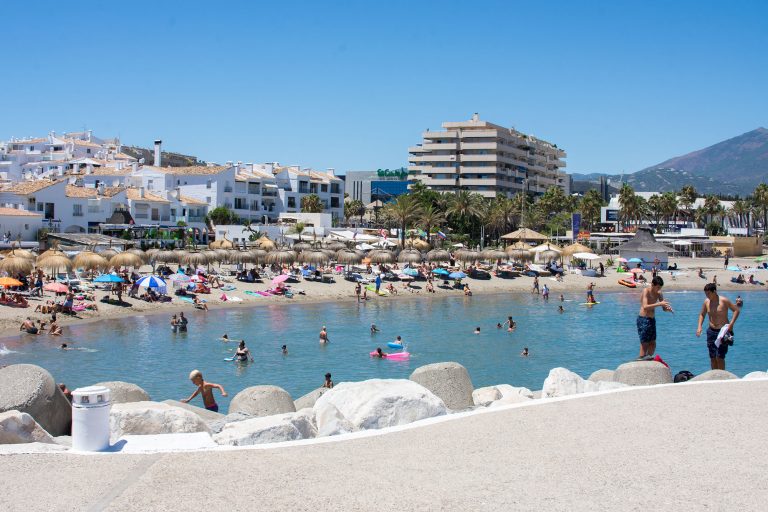
The Bank of Spain has issued a stark warning about worsening rental shortages across Málaga province, with luxury hotspots like
Yes — Málaga City offers excellent security, quiet residential streets, green parks, and close proximity to premium international schools along the coast.
Property prices in Málaga City vary significantly depending on the type of property, ranging from comfortable apartments to luxury villas. For current, specific market data, please view our detailed property listings for Málaga City.
While some areas of Málaga City offer walkable amenities, having a car is highly recommended for exploring the wider Costa del Sol, commuting to major hubs, and accessing specific services or beaches comfortably.
