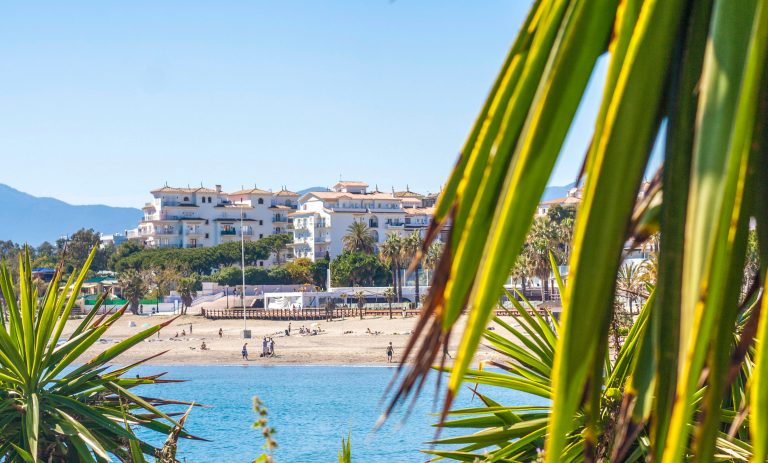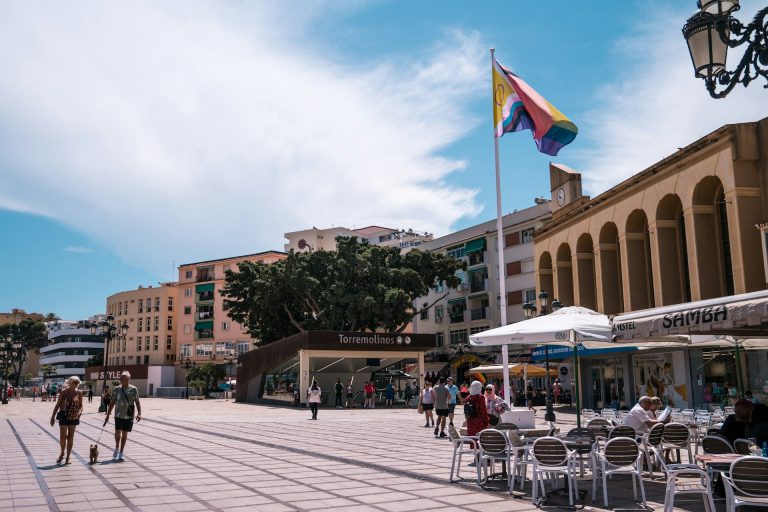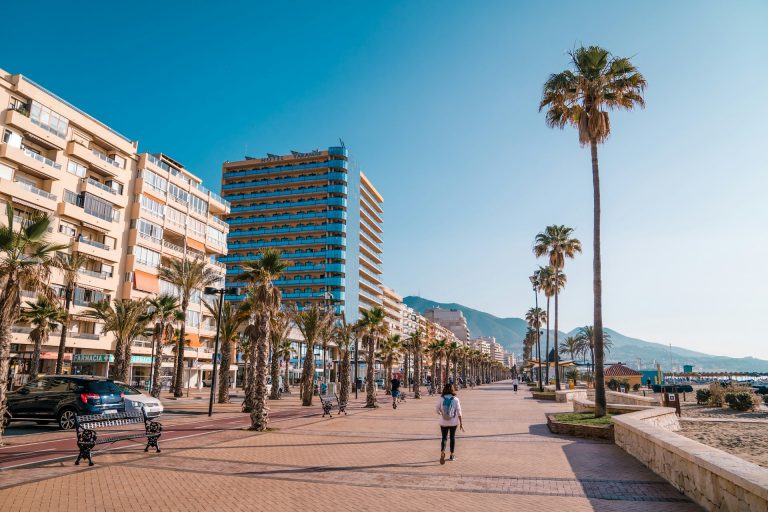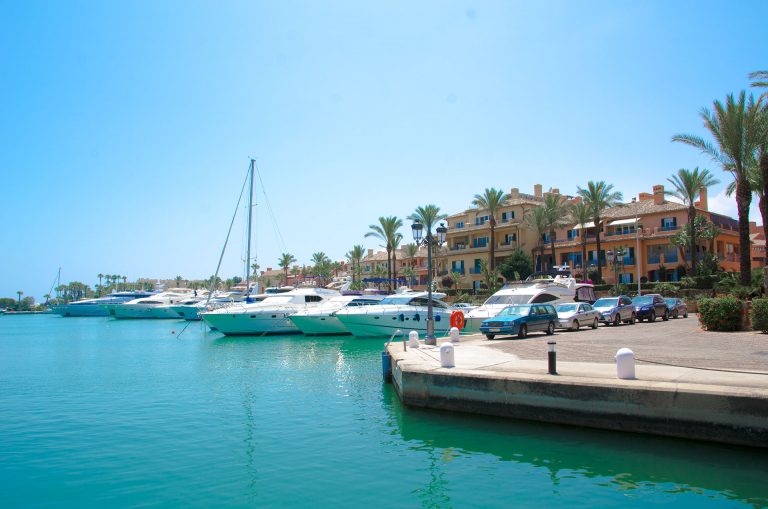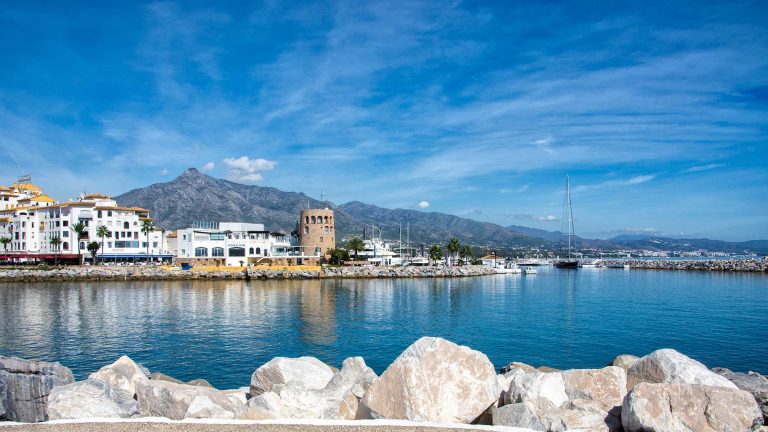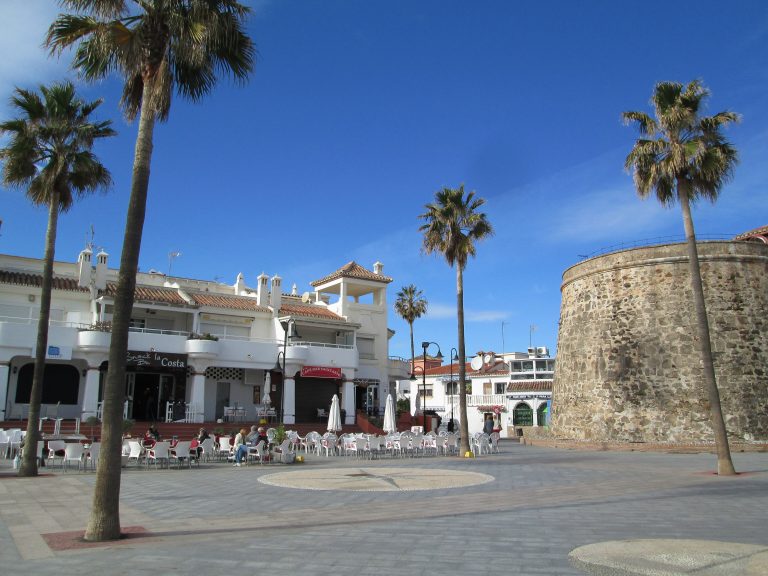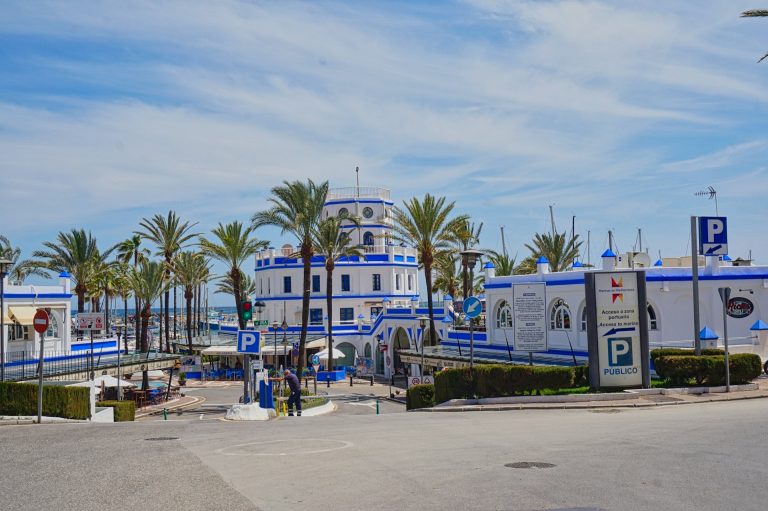
The Costa del Sol represents far more than Southern Europe’s most famous stretch of Mediterranean coastline. Stretching across more than 150 kilometers of Andalusia’s Málaga province, it has evolved into a powerhouse for international property investment, corporate digital nomadism, and luxury relocation. Boasting a unique microclimate with over 320 days of annual sunshine, a highly sophisticated infrastructure, and unmatched air connectivity via Málaga-Costa del Sol International Airport, this region commands intense attention from global capital.
However, navigating this highly dynamic property market requires deep localized insight. From the high-net-worth enclaves of Marbella‘s Golden Mile to the vibrant beachfront layouts of Fuengirola and the authentic, walkable streets of San Pedro de Alcántara, each district presents its own unique landscape, investment yields, and lifestyle profiles.
This comprehensive guide serves as the definitive anchor for anyone analyzing residential entry points, structural investment shifts, and lifestyle dynamics across the region.
1. The Macro-Economic Landscape & Property Trends
Entering the mid-2020s, the real estate ecosystem across the coast has decoupled from historical economic dependencies. The market is increasingly defined by several key factors:
- Alternative Global Demand: While British, European, and Scandinavian buyers remain consistent, there is an unprecedented influx of cash-rich investors from North America, Canada, and the GCC states. This demand is heavily insulated from local interest rate fluctuations.
- The Turnkey Premium: Due to a structural lack of building land in mature, front-line beach locations, ready-to-move-in luxury villas and branded residences command historic premiums over standard resale properties.
- The Rental Deficit: A massive transition of long-term properties into short-term tourist lets has created a severe supply squeeze in year-round leasing. This deficit offers exceptional, high-yield opportunities for smart investors who utilize optimized mid-term seasonal rentals.
2. Exploring Core Regions: Lifestyle vs. Investment Profile
The Costa del Sol is not uniform. Selecting where to acquire property depends on aligning your specific financial objectives with local infrastructure.
For a deeper look at the commercial opportunities driving the region, see our complete guide on The Best Destinations for Corporate Golf Retreats. If you prioritize car-free living and traditional charm, read our analysis of The Top Walkable Towns on the Costa del Sol.
The Western Glamour Zones (Marbella, Benahavís, Estepona)
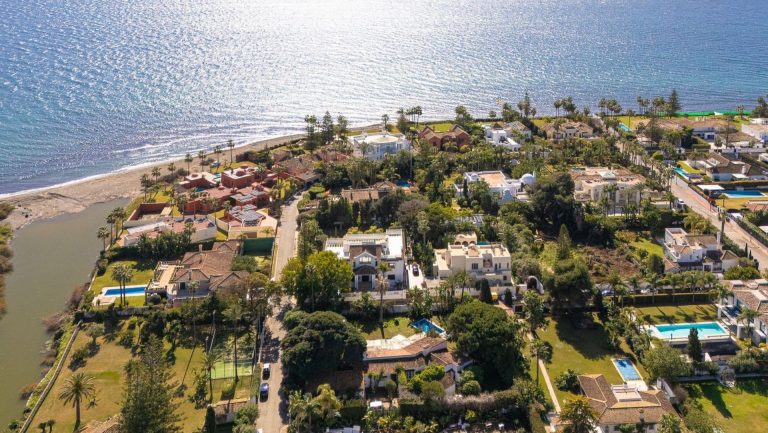
This golden triangle remains the focal point for luxury global capital. It is characterized by exclusive country clubs, Michelin-starred culinary hotspots, and high-security gated estates.
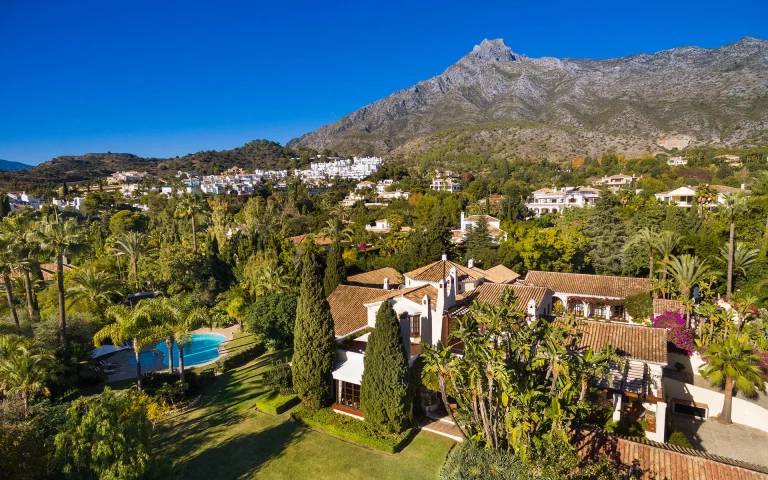
- Benahavís: Tucked securely into the Andalusian foothills, this municipality stands as one of Spain’s wealthiest. It offers total discretion, low-density modern villas, and an unmatched density of championship fairways, making it the definitive retreat for C-suite executives and private funds.
- Explore the area profile: Discover the complete Benahavís lifestyle and neighborhood index.
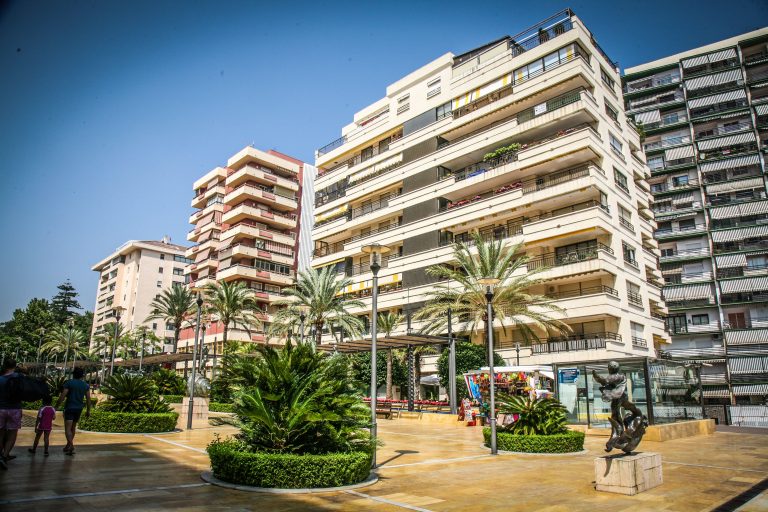
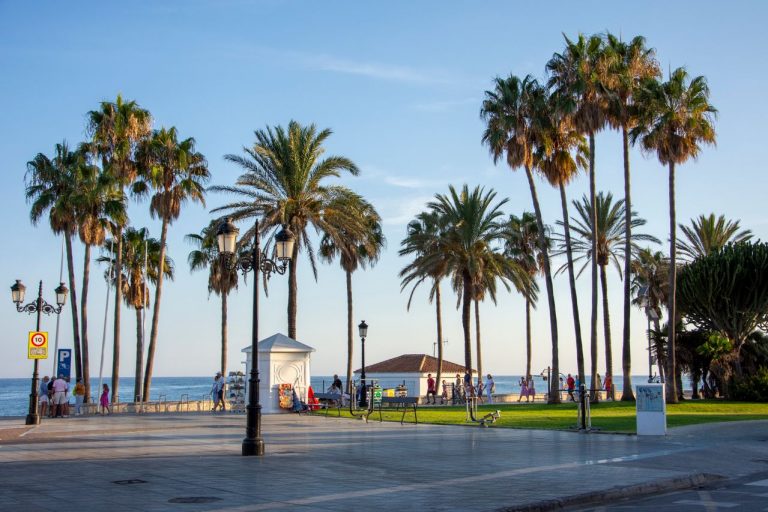
- San Pedro de Alcántara: Nestled right next to Puerto Banús, San Pedro features a brilliantly planned, flat pedestrian boulevard that bridges a traditional, lively Spanish town center directly with a wide, modern beach promenade. It represents the pinnacle of premium, car-free family living.
- Explore the area profile: Access our in-depth San Pedro de Alcántara guide.
The Connected Coastal Hubs (Fuengirola, Mijas Costa, Torremolinos)
For investors who prioritize robust holiday yields, high rental occupancy, and flawless transport logistics, the central coastal corridor provides incredible liquidity.
- Fuengirola: Exceptionally linked via the direct C-1 commuter rail line straight to Málaga Airport, Fuengirola is a vibrant, cosmopolitan urban hub. With its continuous flat beaches, modern co-working infrastructure, and premium hillside developments like Carvajal, it serves as a highly efficient destination for international remote professionals and corporate assemblies.
- Explore the area profile: Analyze the latest market updates in our Fuengirola overview.
3. Relocation & Regulatory Essentials
Moving to Southern Spain requires careful navigating of local regulatory frameworks:
- Visa Pathways: The Spanish Digital Nomad Visa continues to attract a massive wave of non-EU technical talent, while streamlined golden visa routes remain highly popular for high-net-worth real estate buyers.
- Fiscal Architecture: Understanding regional tax frameworks, including the updated applications of Spain’s “Beckham Law” for foreign workers and corporate executives, is essential for protecting global wealth.
- Property Due Diligence: Given strict coastal protection laws (Ley de Costas) and localized municipal zoning plans, executing comprehensive legal title checks prior to property acquisition is completely non-negotiable.
4. The Long-Term Investment Outlook
The Costa del Sol has successfully transitioned from a seasonal holiday destination into a year-round, highly competitive global marketplace. As forward-thinking urban planning continues to regenerate coastal promenades, integrate smart city technologies, and expand green spaces, the region’s defensive investment traits remain firmly intact.
Whether deploying capital into high-end turnkey villas, expanding a portfolio via strategic mid-term rental assets, or seeking an authentic Andalusian community lifestyle, the coast provides an elite, resilient environment built for long-term capital preservation.
The Costa del Sol is presented as a major market for international property investment and relocation, supported by strong infrastructure, airport access, and a long sunny climate. The guide highlights shifting demand, limited luxury supply, and rental shortages as key market drivers.
It contrasts luxury areas such as Marbella, Benahavís, and Estepona with connected hubs like Fuengirola, Mijas Costa, and Torremolinos. The text also outlines visa, tax, and due diligence considerations for buyers and concludes that the region remains resilient for long-term capital preservation.
Estepona vs Benahavís – Which Costa del Sol Hotspot Fits Your 2026 Property Goals?
The Best International Schools on the Costa del Sol: A Parent’s Guide to Relocation
Best Places to Live on the Costa del Sol in 2026: Marbella, Estepona or Mijas?