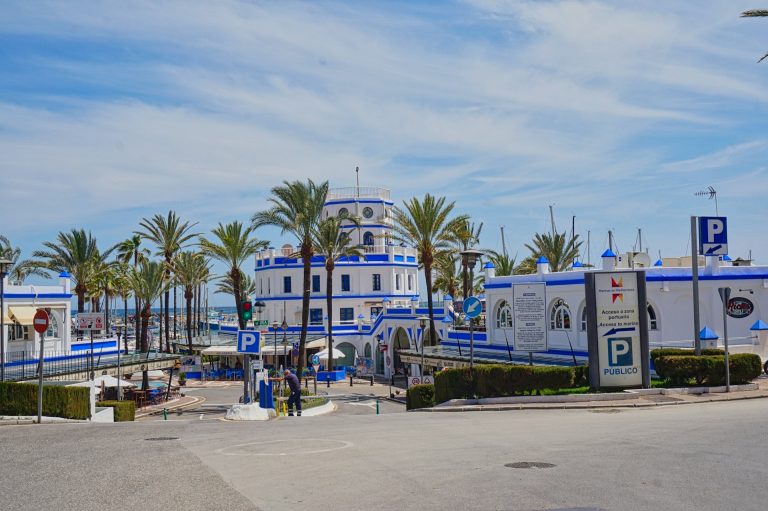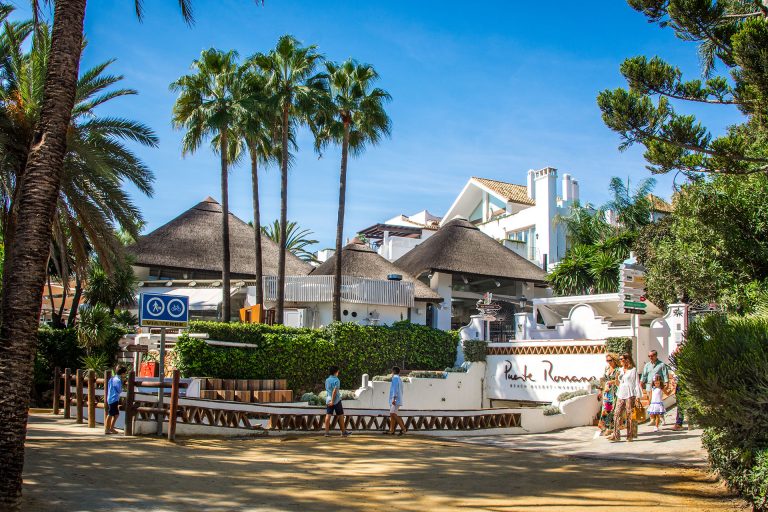

Marbella vs Estepona is the ultimate real estate debate dominating the Costa del Sol in 2026. For years, the decision of where to purchase real estate on the Costa del Sol followed a predictable script: Marbella was the undisputed capital of established luxury, while Estepona was its quieter, more budget-friendly neighbor.
However, entering 2026, the dynamic between these two neighboring municipalities has fundamentally shifted. Driven by aggressive infrastructure investments and an agile planning department, Estepona has transitioned from a “cheaper alternative” into a powerful, contemporary real estate growth engine.
If you are looking to buy property in Marbella or Estepona, you are no longer just choosing between two price points—you are choosing between two entirely different market phases and city models. This pillar guide breaks down the data across lifestyle, property pricing, rental yields, schools, and investment upside to help you make an informed decision.
The Core Market Differences at a Glance
The most critical realization for a buyer in 2026 is that the historic price gap between these two towns is rapidly closing.
| Key Factor | Marbella (2026 Data) | Estepona (2026 Data) |
| Average Property Price | €5,501 / m² | €4,954 / m² |
| Year-on-Year Price Growth | +5.1% | +12.5% |
| Market Status | Consolidated, mature luxury | High-velocity expansion & new-builds |
| Distance to Málaga Airport | ~40 minutes (Via AP-7) | ~55 minutes (Via AP-7) |
| Primary Property Profile | Traditional luxury estates & golf villas | Sleek, contemporary off-plan complexes |
1. Property Prices & Buying Power in Marbella vs Estepona
While Estepona is roughly 10% more affordable per square meter on average than Marbella, the type of property your budget unlocks in each area differs significantly.
- In Marbella: Prime locations like the Golden Mile, Sierra Blanca, and Nueva Andalucía remain scarcity-driven markets. A budget of €500,000 here typically secures a smaller, secondary-position resale apartment, often requiring renovation, with limited sea views.
- In Estepona: That same €500,000 budget stretches much further. It regularly secures a larger, brand-new 2-bedroom contemporary apartment with floor-to-ceiling glass, energy-efficient smart home tech, and panoramic views in expanding luxury zones like the New Golden Mile or Selwo.
2. Investment Potential & Rental Yields
Both towns are high-performing markets, but they suit completely different investment strategies:
Marbella: Long-Term Capital Preservation
Marbella is a mature market with global brand recognition and massive liquidity. It acts as a safe-haven asset class.
- Rental Yields: Long-term gross yields hover around 3.5% to 5%. While the purchase prices are higher, Marbella commands absolute top-tier premium rates for short-term luxury holiday rentals, sustaining a high-paying tourist base for 10 to 11 months of the year.
Estepona: Capital Appreciation & Modern Yields
Estepona is experiencing a massive growth phase. With a 12.5% annual price surge outstripping Marbella’s 5.1%, property values here are rising at a much faster percentage rate.
- Rental Yields: Modern complexes with extensive communal amenities (pools, co-working spaces, spas) generate highly efficient gross rental yields of 5% to 7%. The town is a major magnet for long-stay international remote workers and families who prioritize modern living standards.
3. Lifestyle, Beaches & Urban Design
The architectural philosophy of these two coastal hubs creates completely distinct daily environments.
The Cosmopolitan Glamour of Marbella
Marbella offers an elite, high-energy, international lifestyle. It features world-famous beach clubs, designer shopping boutiques in Puerto Banús, and a dense concentration of Michelin-starred dining options. Its beaches are vibrant, backed by upscale hotels, and closely integrated with bustling golf valleys.
The Sustainable “Garden of the Costa del Sol”
Estepona has invested heavily in its pedestrianized, eco-conscious infrastructure. The historic old town is a car-free sanctuary decorated with over 100,000 colorful flower pots and open-air murals. Its wide, stroller-friendly beach promenade stretches seamlessly past the Marina, offering a more relaxed, authentic, and less saturated family environment.
4. Infrastructure & International Schools
For families and remote professionals relocating permanently, the day-to-day amenities are just as crucial as the real estate itself.
- Schools: Marbella holds the crown for volume and prestige, housing top-tier schools like Aloha College, Swans International, and Laude San Pedro. Estepona holds its own with excellent bilingual choices like Colegio San José and access to newer international institutions opening along its borders.
- Connectivity: For frequent flyers, Marbella holds a distinct logistical edge, sitting a clean 40 minutes from Málaga Airport. Estepona requires an additional 15 to 20 minutes on the highway, which is an important variable for corporate remote workers.
Final Verdict: Where Should You Buy?
The choice between buying property in Marbella or Estepona is a choice between two distinct investment philosophies.
Choose Marbella if: Your primary goals are prestige, long-term capital preservation, and immediate access to an elite international networking circle. It remains the ultimate choice for luxury buyers who want a mature, highly liquid market and refuse to compromise on a glamorous lifestyle.
Choose Estepona if: You want maximum value per square meter, prefer sleek, contemporary architecture, and want to ride a wave of high capital appreciation. It is the ideal choice for families and remote workers seeking a modern, sustainable, and deeply community-oriented coastal town.
Specific new-build vs resale opportunities in these areas
Choosing between a brand-new, off-plan development in Estepona and a classic resale property in an established Marbella neighborhood is one of the most common dilemmas buyers face in today’s market.
Because Estepona is currently the epicenter of new-build construction on the coast, and Marbella’s prime land is heavily consolidated, the choice comes down to a trade-off between cutting-edge modern design and unbeatable prime location.
Off-Plan New Builds in Estepona
Buying off-plan means purchasing a property before or during its construction phase based on architectural plans and 3D renders.
The Pros:
- Staged Payment Plans: Instead of paying 100% upfront, you pay a reservation fee, followed by 20% to 30% during construction, with the remaining balance due upon completion. This keeps your capital liquid longer.
- Modern Architecture & Smart Homes: These properties feature floor-to-ceiling glass, open-plan layouts, underfloor heating, and integrated home automation that old resales simply don’t have.
- Superior Energy Efficiency: Built to strict modern EU environmental standards, these buildings feature solar panels and premium insulation, resulting in significantly lower monthly utility bills.
- Resort-Style Amenities: New complexes in Estepona routinely feature luxury communal infrastructure, including heated indoor pools, co-working spaces, fully equipped gyms, spas, and padel courts.
- Immediate Capital Growth: Buying at the launch phase of a project often secures a lower price. By the time the keys are handed over (usually 18–24 months later), the property has often naturally appreciated in value.
The Cons:
- The Waiting Period: You cannot move in or generate rental income immediately. You are at the mercy of construction timelines.
- Higher Buying Taxes: In Spain, new-builds are subject to 10% VAT (IVA) plus Stamp Duty (AJD) at 1.2%, which is generally more expensive than the resale property tax transfer rate.
- Location Risk: Many new developments are located in emerging neighborhoods (like Selwo or the outer edges of the New Golden Mile) that are still developing their surrounding infrastructure.
Resale Properties in Marbella
Buying a resale property means purchasing an existing home, whether it was built five years ago or thirty years ago, in an established community.
The Pros:
- A-List, Scarcity-Driven Locations: You can buy into mature, world-famous neighborhoods like Nueva Andalucía, the Golden Mile, or San Pedro beachside where open land for new construction no longer exists.
- Immediate Availability: What you see is what you get. You can complete the purchase at the notary and move in—or list it on the holiday rental market—within six to eight weeks.
- Lower Initial Purchase Tax: Resale properties are subject to Property Transfer Tax (ITP at a flat 7%), saving you money on closing fees compared to a new-build’s 10% VAT.
- Larger Plots and Established Greenery: Older villas and townhouses in Marbella often boast significantly larger private plots, mature tropical gardens, and more distance between neighbors than dense new-build developments.
The Cons:
- Hidden Renovation Costs: Older properties frequently require updates to plumbing, electrical wiring, air conditioning, and insulation. A “cheap” resale can quickly become an expensive, stressful renovation project.
- High Community & Maintenance Fees: Established communities with large, mature gardens and older infrastructure can sometimes carry surprisingly high monthly maintenance costs.
- Outdated Community Amenities: While a resale urbanisation will have a pool, it rarely features the modern additions that 2026 remote workers and luxury buyers expect, such as dedicated co-working spaces, indoor spas, or EV charging stations.
The Verdict
- Go with the Estepona Off-Plan route if you want a hands-off, turn-key investment, prefer sleek contemporary aesthetics, want to maximize your budget’s square footage, and have the flexibility to wait for construction.
- Go with the Marbella Resale route if location is your absolute non-negotiable priority, you want to live in or rent out the property immediately, and you enjoy the character (or renovation potential) of established neighborhoods.
Are you looking to buy a property to move into yourself right away, or are you looking at this primarily through the lens of a future investment?
The piece compares Marbella and Estepona as Costa del Sol property markets in 2026, noting that Estepona has become a fast-growing, modern alternative while Marbella remains the established luxury option. It highlights narrowing price differences, different buyer priorities, and contrasts in lifestyle, schools, airport access, and investment strategy.
It also weighs off-plan new-builds in Estepona against resale homes in Marbella. The summary favors Estepona for contemporary design, growth potential, and rental yields, and Marbella for prestige, immediate availability, and mature prime locations.
Best Places to Live on the Costa del Sol in 2026: Marbella, Estepona or Mijas?
The Ultimate Málaga to Marbella Transit Blueprint
How to Get Your NIE Number in Spain: A Step-by-Step Guide
Cost of Living on the Costa del Sol: What You’ll Actually Spend