Your complete guide to buying, renting and living in Marbella — what it’s really like, what it costs, and who it suits.
As one of the standout destinations across the Costa del Sol, Marbella offers an exceptional blend of natural beauty, architectural elegance, and a vibrant community atmosphere. Property seekers are continuously drawn to this micro-market for its unique balance of quiet residential seclusion and immediate access to top-tier coastal amenities, championship golf courses, and international schools.
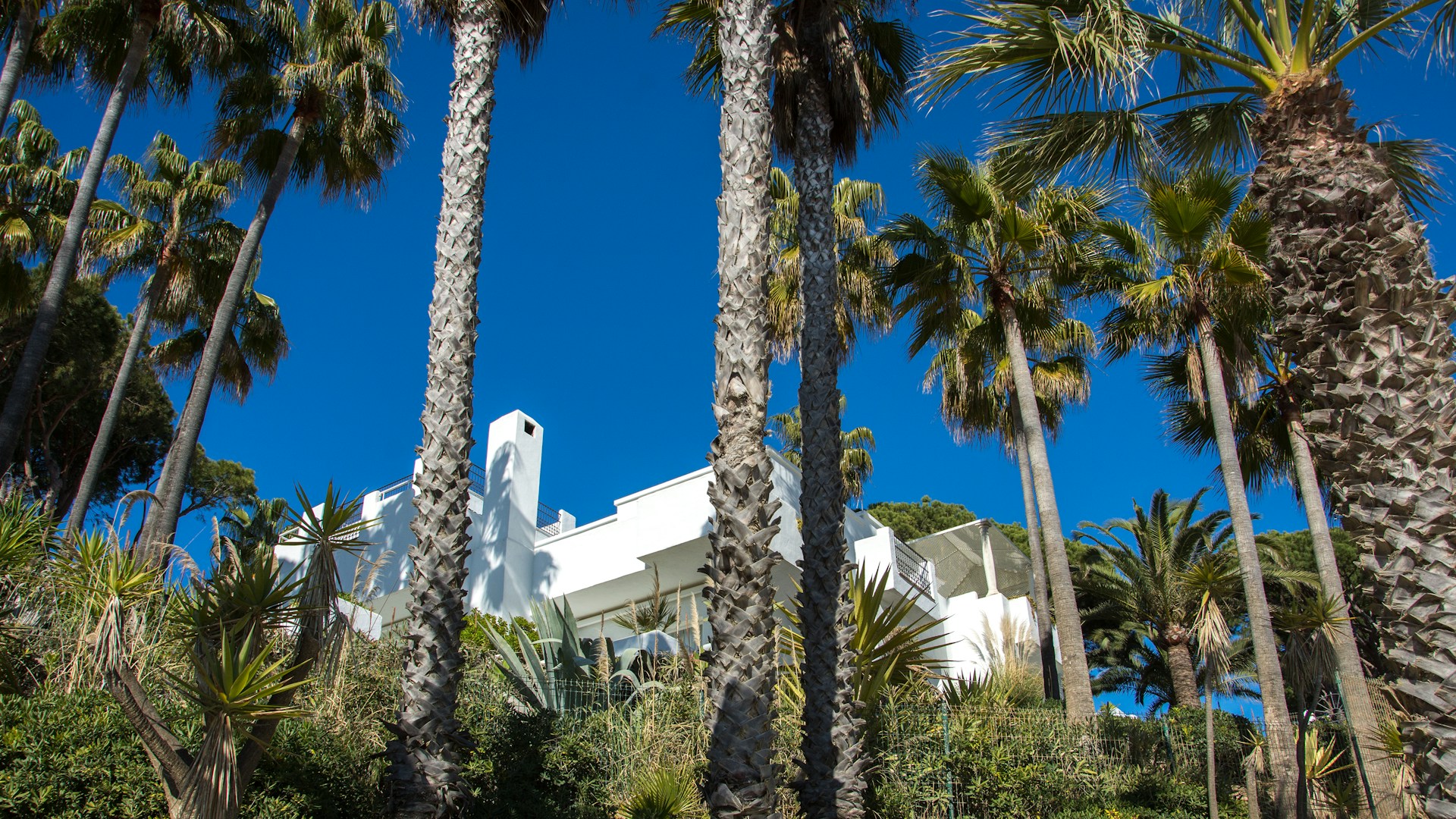
The real estate landscape here features a diverse range of properties tailored to the luxury Mediterranean lifestyle—spanning contemporary designer villas, secure gated community townhouses, and high-yield investment apartments. Whether you are looking for a permanent family residence, a holiday getaway, or an appreciating real estate asset, Marbella consistently delivers strong long-term value and high rental appeal.
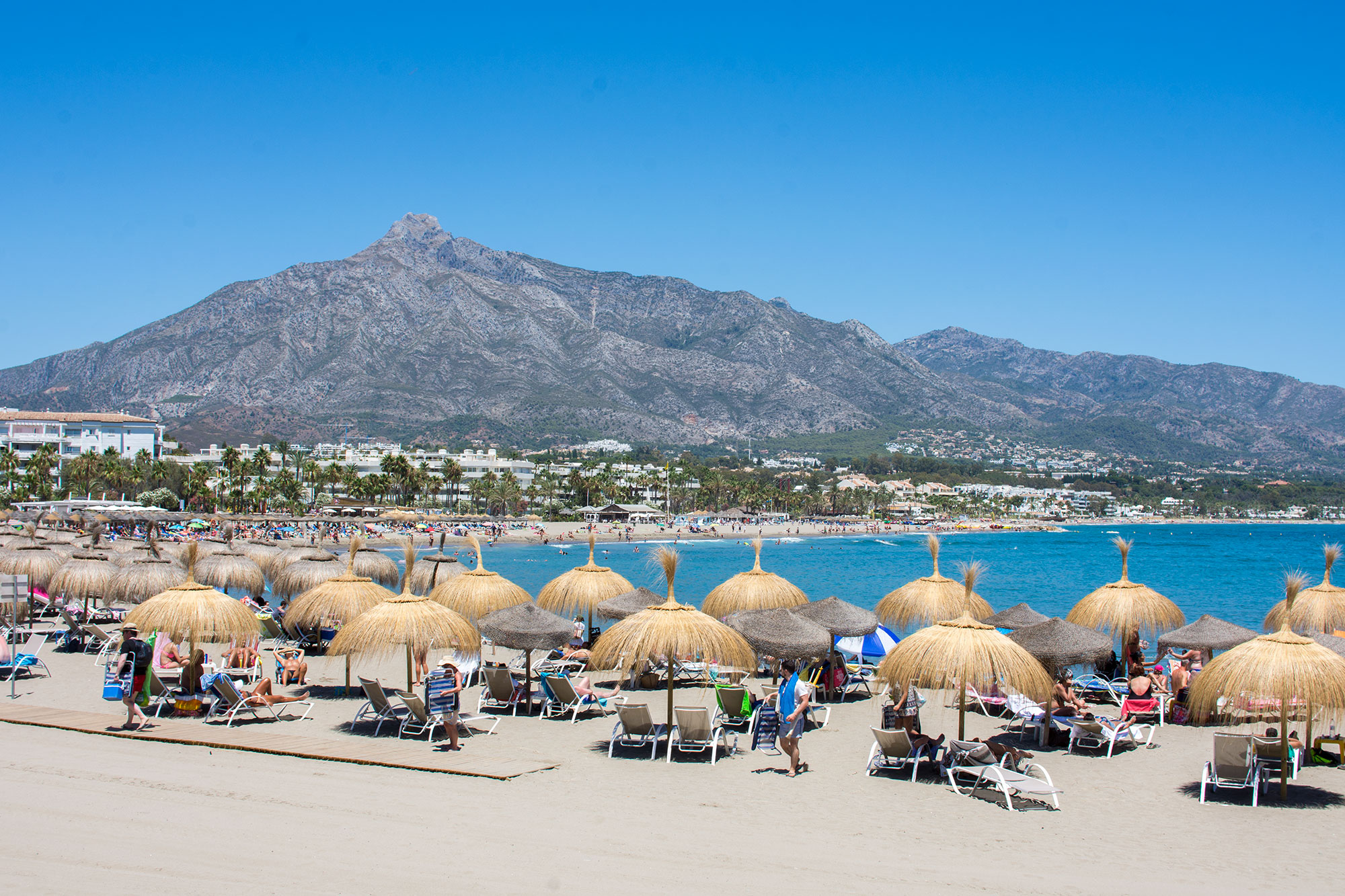
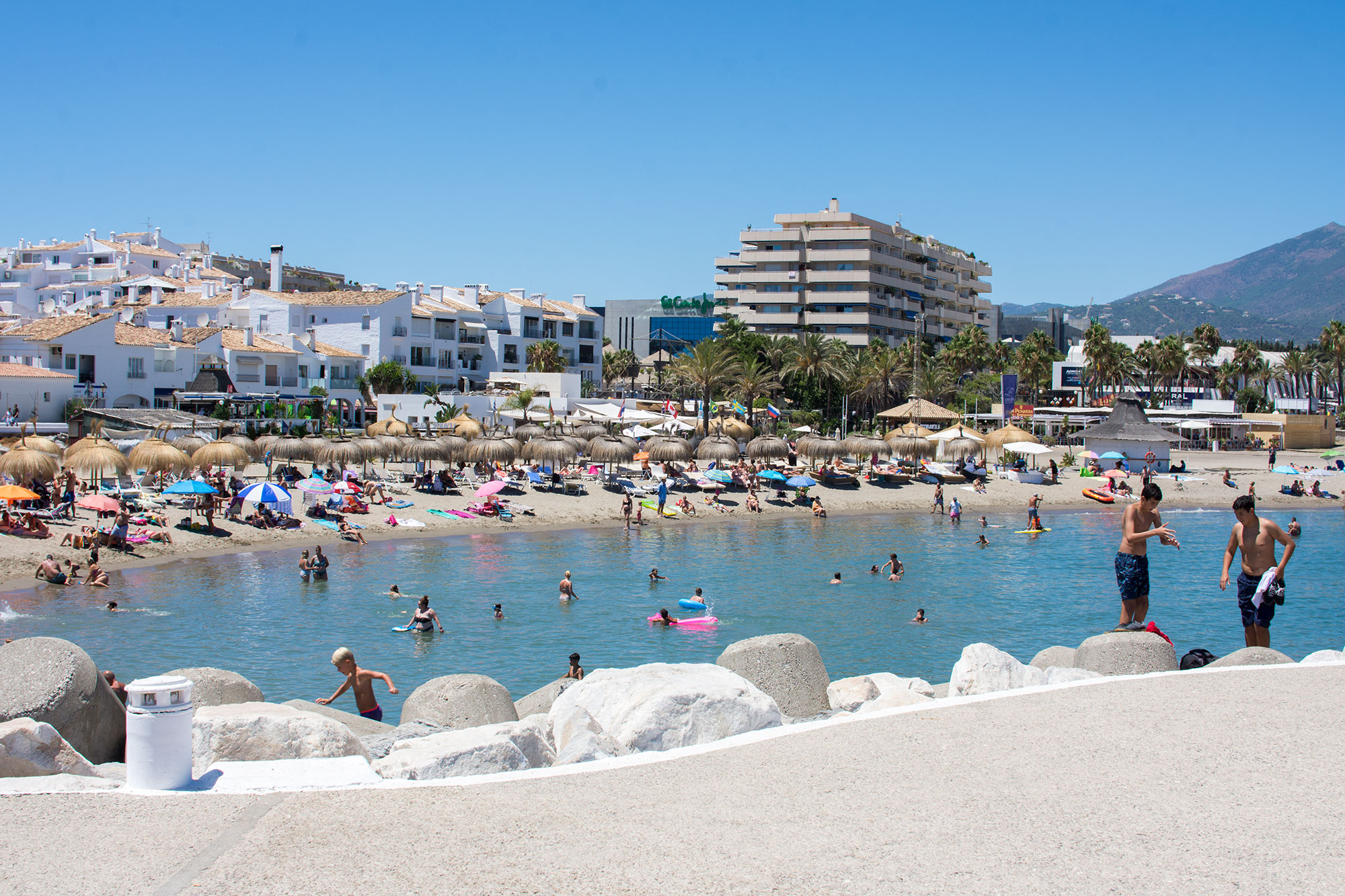
Locals and residents enjoy a relaxed yet sophisticated way of life, with pristine nearby beaches, exceptional fine dining, and seamless connectivity via the main coastal routes to Marbella, Puerto Banús, and Málaga International Airport. Explore our curated property listings below to find your ideal home in Marbella.
Your complete guide to buying, renting and living in Marbella — what it’s really like, what it costs, and who it suits.
As one of the standout destinations across the Costa del Sol, Marbella offers an exceptional blend of natural beauty, architectural elegance, and a vibrant community atmosphere. Property seekers are continuously drawn to this micro-market for its unique balance of quiet residential seclusion and immediate access to top-tier coastal amenities, championship golf courses, and international schools.
The real estate landscape here features a diverse range of properties tailored to the luxury Mediterranean lifestyle—spanning contemporary designer villas, secure gated community townhouses, and high-yield investment apartments. Whether you are looking for a permanent family residence, a holiday getaway, or an appreciating real estate asset, Marbella consistently delivers strong long-term value and high rental appeal.
Locals and residents enjoy a relaxed yet sophisticated way of life, with pristine nearby beaches, exceptional fine dining, and seamless connectivity via the main coastal routes to Marbella, Puerto Banús, and Málaga International Airport. Explore our curated property listings below to find your ideal home in Marbella.
Marbella has a reputation that arrives before you do — yachts, celebrities, luxury villas, bottle service at beach clubs. And yes, all of that exists. But the day-to-day reality for most people who live here is considerably more relaxed than the Instagram version suggests. It’s a proper town of around 150,000 people, with a functioning old town, good supermarkets, decent public schools, and the kind of morning coffee culture that makes you forget you ever had a commute.
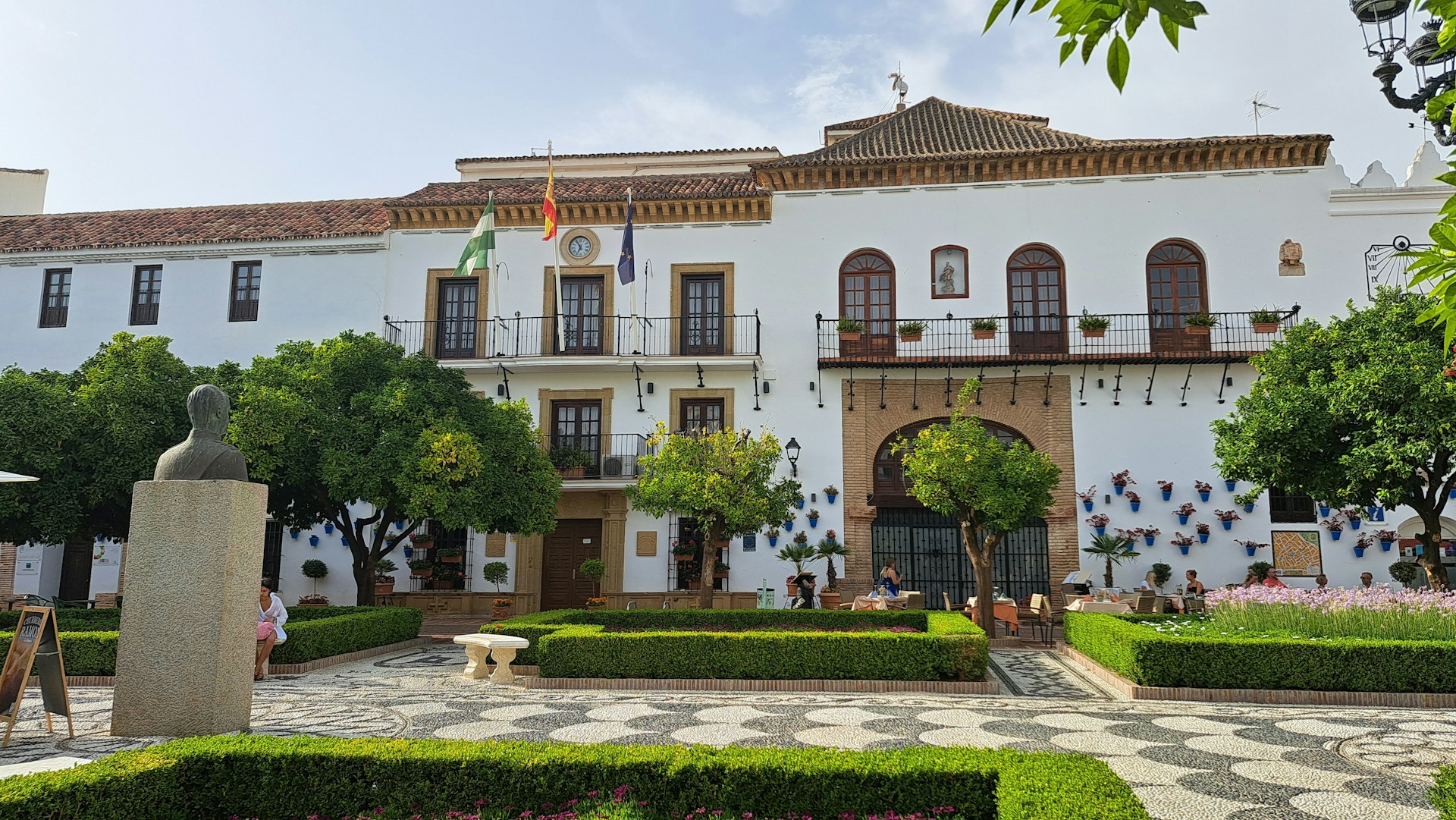
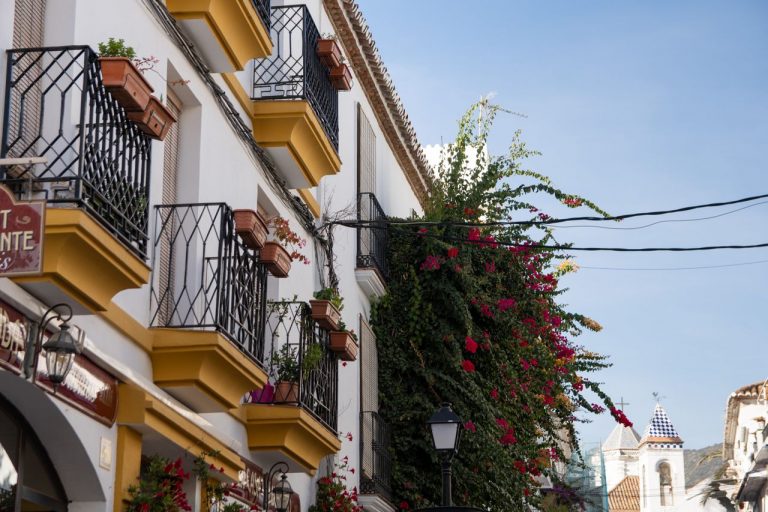
The old town — the casco antiguo — is genuinely beautiful. Narrow whitewashed streets, orange trees, Plaza de los Naranjos. It’s not a theme park version of Andalusia, it’s the real thing, and locals actually use it. Walk ten minutes in any direction and you hit either the beach or a hillside with views that still catch you off guard even after years of living here.
What surprises most people is how international it already is. English is spoken almost everywhere. There are expat communities from the UK, Scandinavia, the Netherlands, Germany, and increasingly the US and Middle East. You can live comfortably in Marbella without speaking much Spanish — though learning some makes everything easier and the locals appreciate the effort.

Marbella is one of the most expensive property markets in Spain and prices have risen sharply since 2022. The cheapest entry point is typically an apartment in the town centre or San Pedro de Alcántara, where you can find properties from around €250,000. From there the range goes up steeply — a villa on the Golden Mile will set you back anywhere from €2 million to €20 million-plus.
The market moves fast, particularly at the top end. Well-priced properties in prime locations often sell within weeks, sometimes before hitting the public portals. Serious buyers typically work with a local agent who has off-market access. New development is active across the municipality — off-plan purchases are common, particularly in areas like Nueva Andalucía and the western edge of Marbella towards San Pedro.
One thing to budget carefully for: buying costs in Spain add roughly 10–12% on top of the purchase price. That includes transfer tax (ITP) at 7% for resale properties, notary fees, land registry, and legal fees. Don’t let any agent tell you otherwise.

The long-term rental market in Marbella is under real pressure. Supply has tightened considerably over the past three years as landlords have shifted towards short-term holiday lets, which generate significantly higher returns. The result is that good long-term rentals go quickly and prices have risen fast.
A decent two-bedroom apartment in or near town will cost between €1,500 and €2,500 per month. A three-bedroom villa with a pool — the dream for many arrivals — starts around €3,500 and can go well above €6,000 in premium locations. Furnished properties are the norm. Leases are typically annual, with Spanish tenant law giving renters strong protections once a contract is signed.
Start your search early — at least two to three months before you need to move in. The best properties are rarely advertised for long.
Area
Buy price low
Buy price high
Rent price low
Rent price high
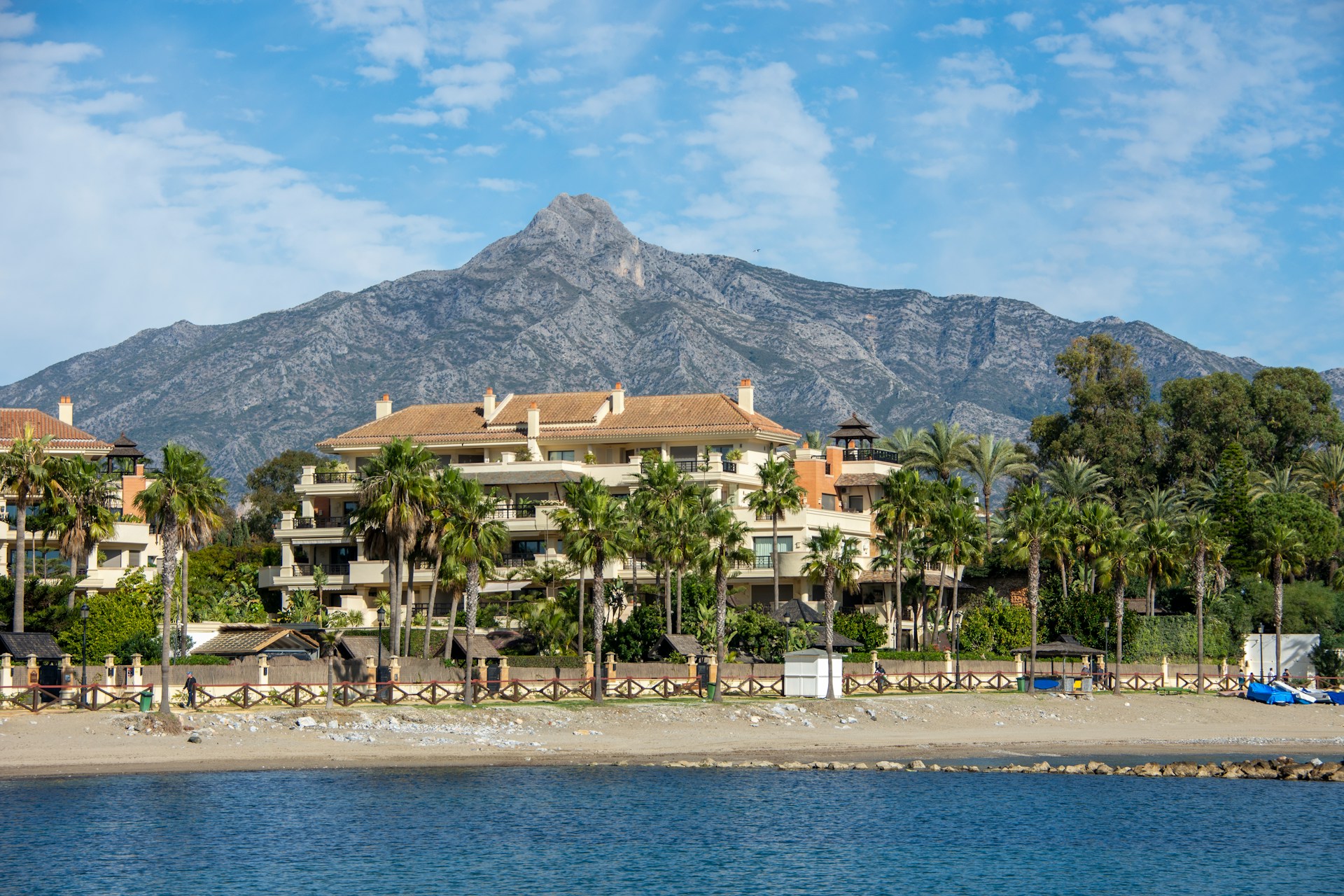
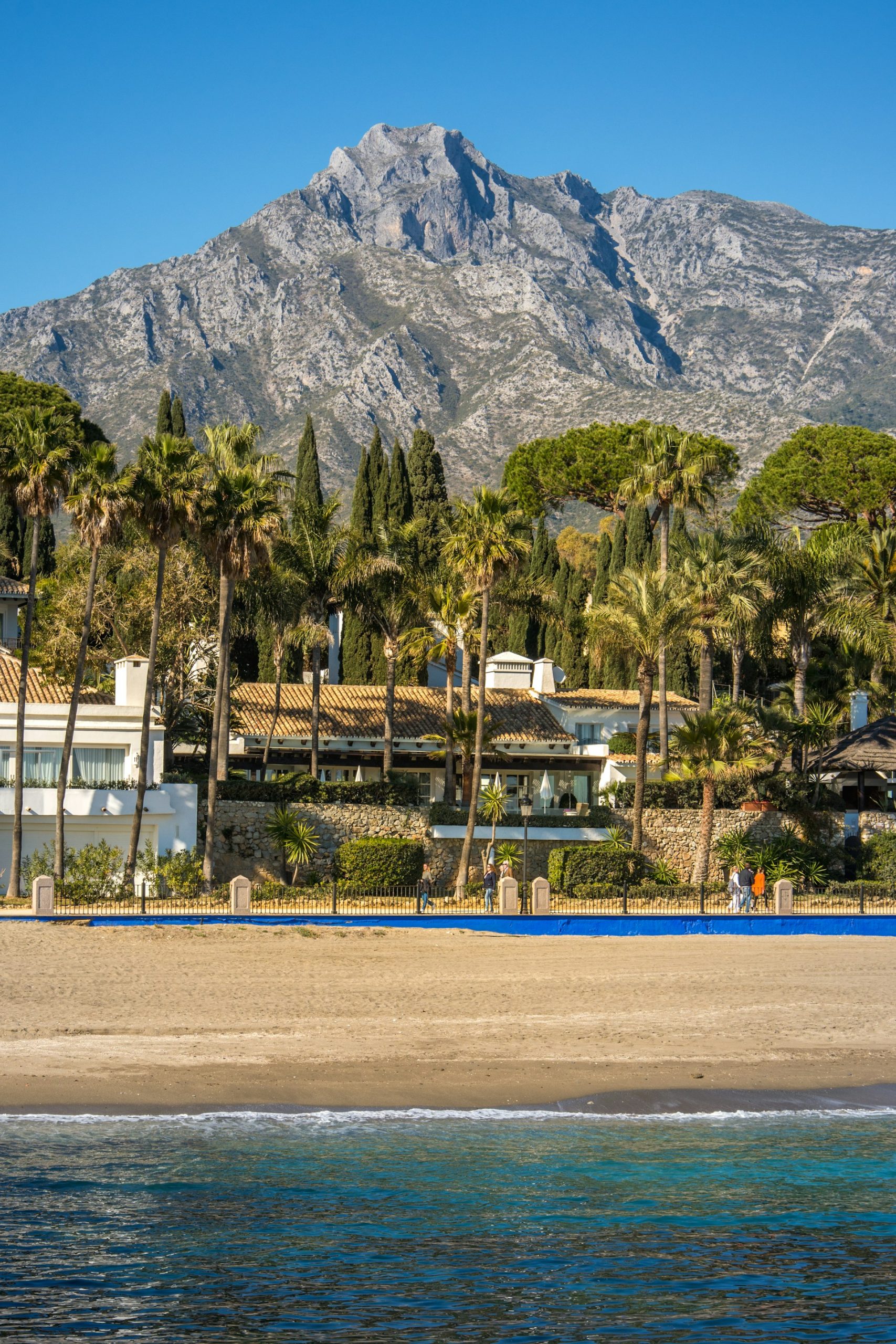
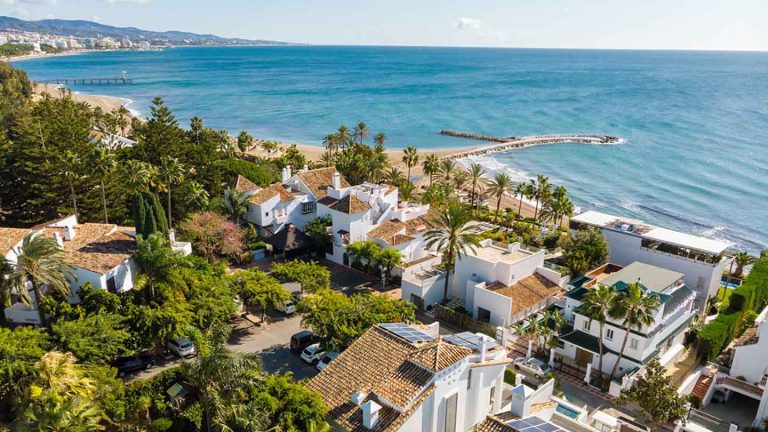
The stretch of coastline between Marbella town and Puerto Banús. Home to some of the most expensive real estate on the Costa del Sol — grand villas behind high walls, five-star hotels, and manicured gardens. Quiet, private, prestigious.
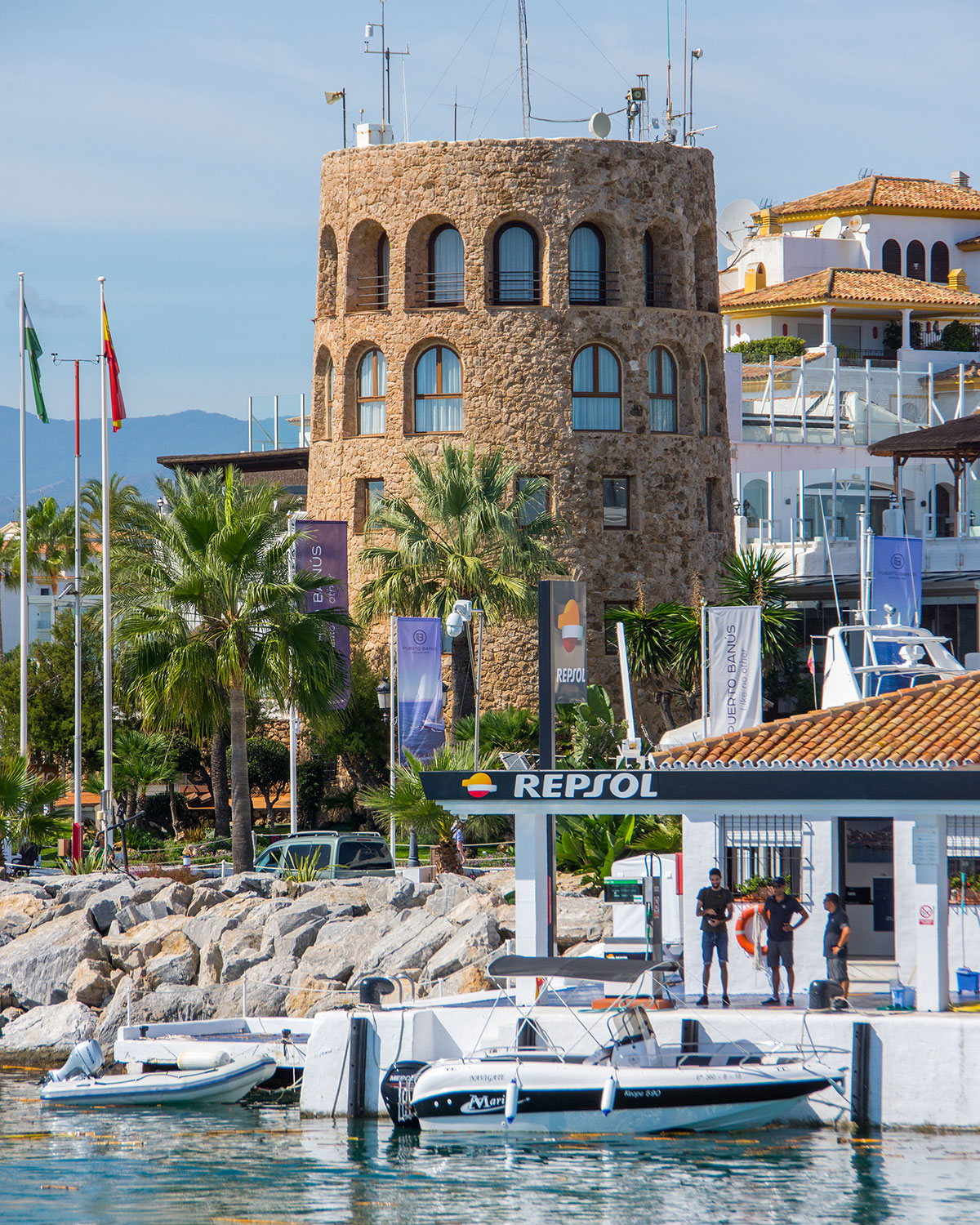
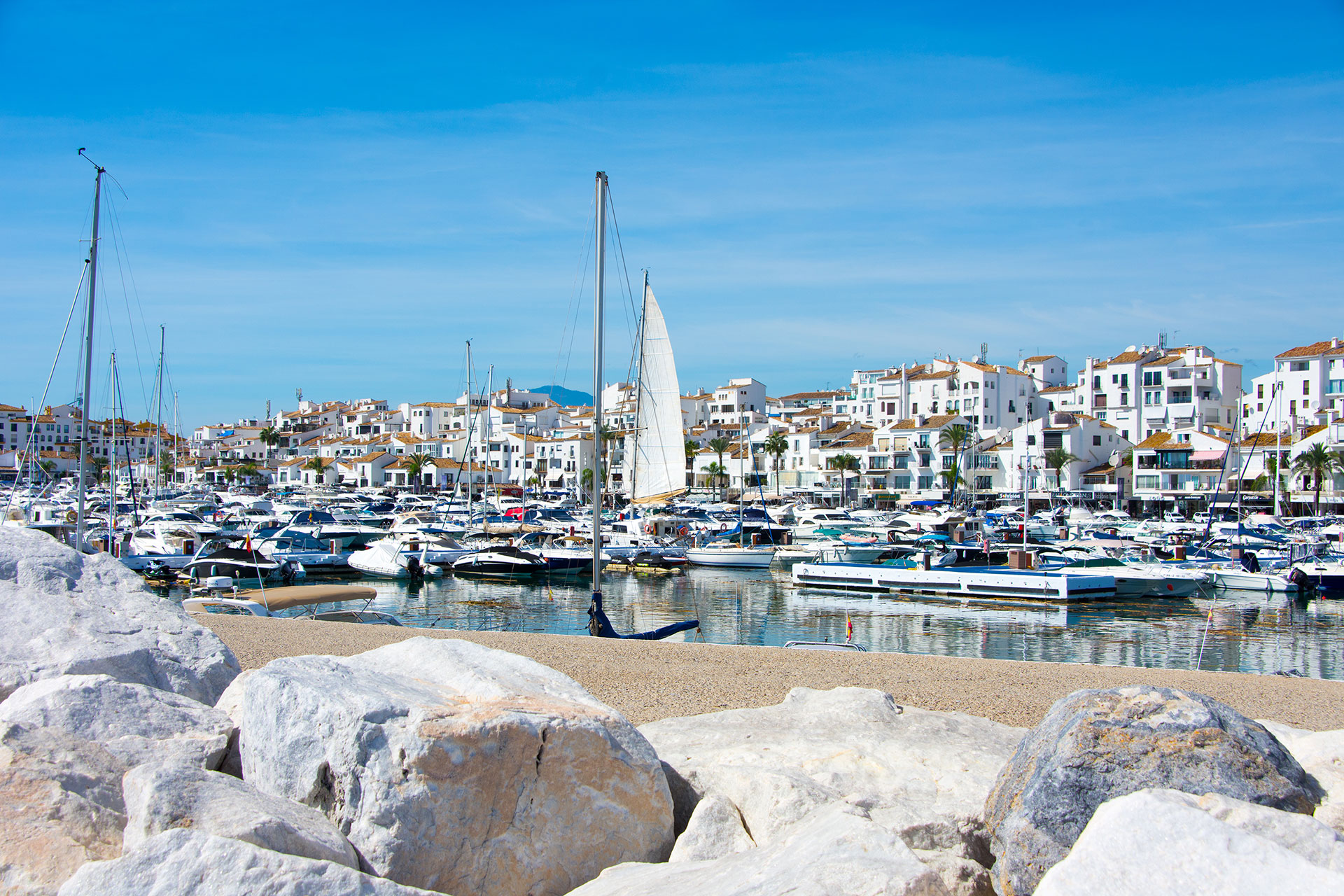
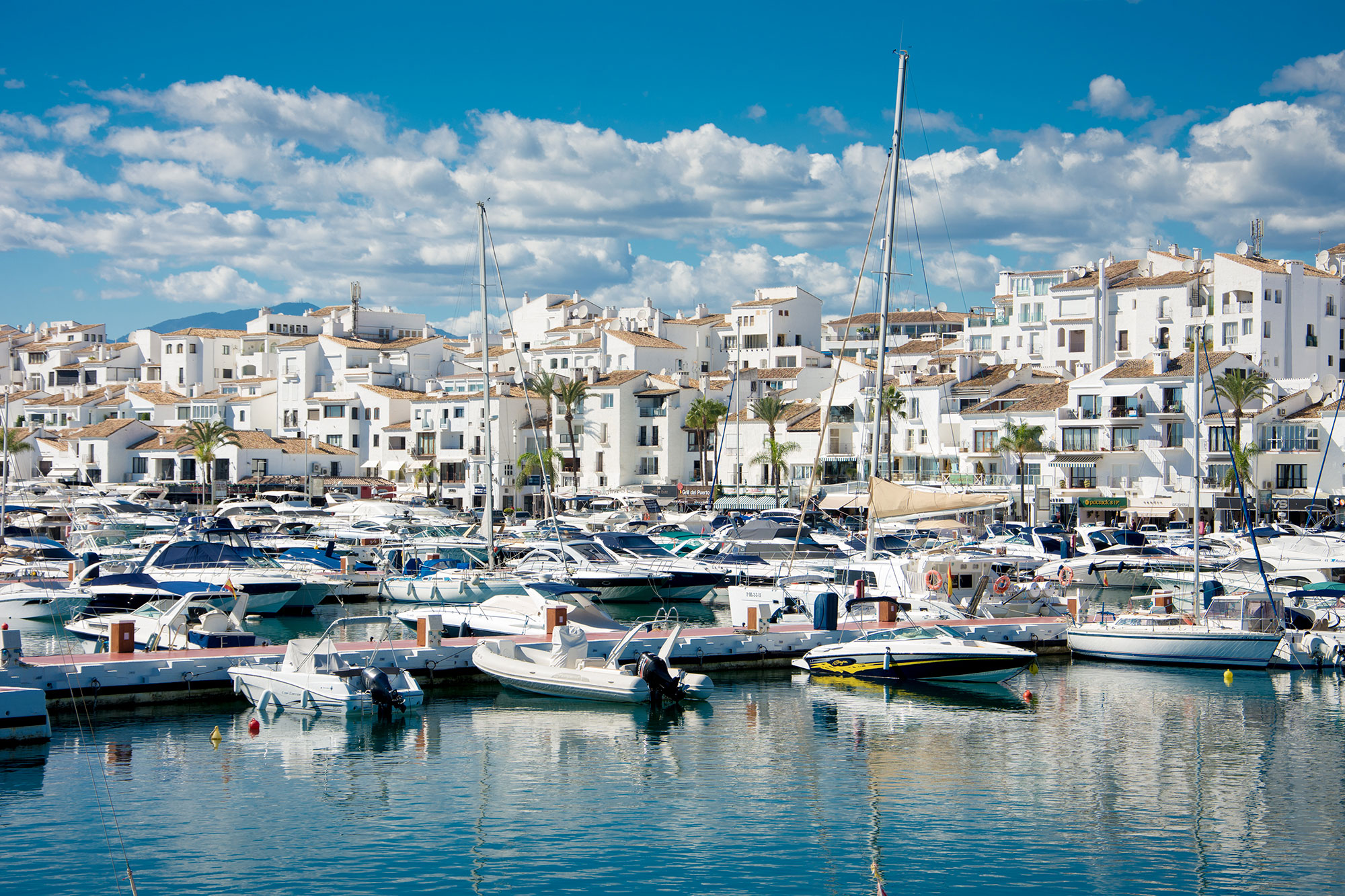
The marina and shopping district that most people picture when they think of Marbella. Loud in summer, quieter in winter. Great if you want to be in the middle of it — not ideal if you want peace and quiet year-round.
The historic centre. Apartments here are in high demand and rarely cheap despite the modest sizes. The lifestyle payoff — being able to walk to everything — makes it worth it for many buyers and renters.
The hillside residential area above the Golden Mile. Gated communities, large villas, panoramic views, total privacy. Popular with families who want space and security.
More affordable, more Spanish, and increasingly popular. A proper town feel with a good market, local restaurants, and easy beach access. Strong value compared to the east side of Marbella.
East of Marbella town. More relaxed, greener, less crowded. Good beaches, a mix of villas and apartments, popular with families and longer-term residents who want to escape the summer intensity of the centre.
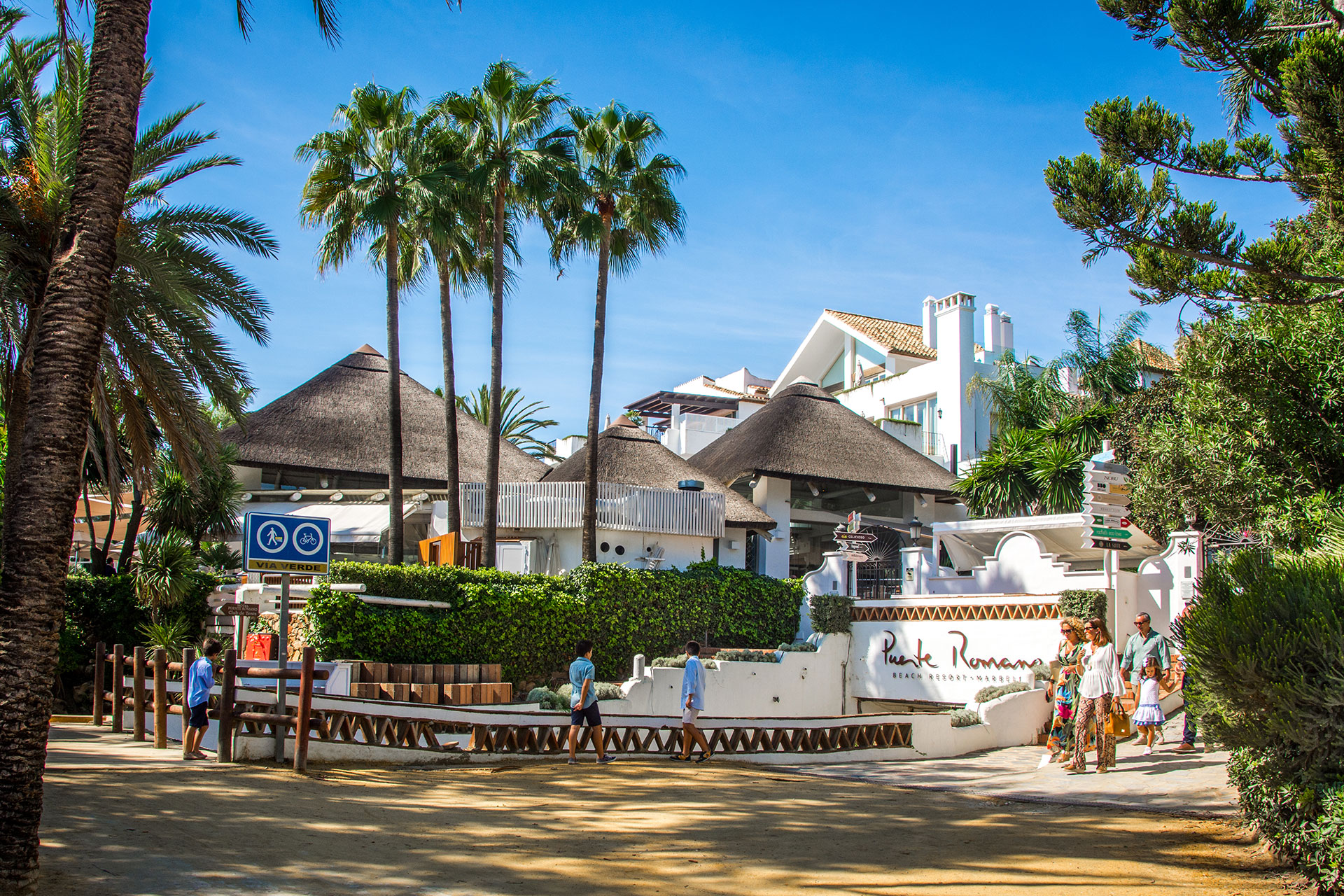
Marbella's dining scene runs from Michelin-starred tasting menus to old-school tapas bars where a free tapa still arrives with every drink. Puente Romano anchors the high end with Nobu and several award-winning kitchens; the Old Town has a dense cluster of reliable, less flashy spots that locals actually use. Puerto Banús leans into see-and-be-seen dining and beach clubs, while San Pedro and the residential neighbourhoods have good everyday options at a fraction of the price.
Nueva Andalucía's "Golf Valley" puts three courses within a few kilometres of each other — Las Brisas, Aloha, and Los Naranjos — making it one of the most convenient golf setups in Europe. Further afield, Marbella Club Golf Resort and Río Real add sea-view courses within a short drive. It's a genuine draw for a large share of the international buyer base.
related_guide: Best Golf Communities on the Costa del Sol for Property Buyers
The expat network in Marbella is mature and well organised — long-running clubs and associations for British, Scandinavian, Dutch and German residents, regular meet-ups, sports leagues, and church and cultural groups that make it easy to build a social circle quickly. Puerto Banús's marina and the Old Town's plaza culture double as informal community hubs where the same faces show up week to week.
Note: Spanish staple, best value, several locations across town
Note: Upmarket selection, international products
Note: Weekly outdoor market — produce, clothing, household goods

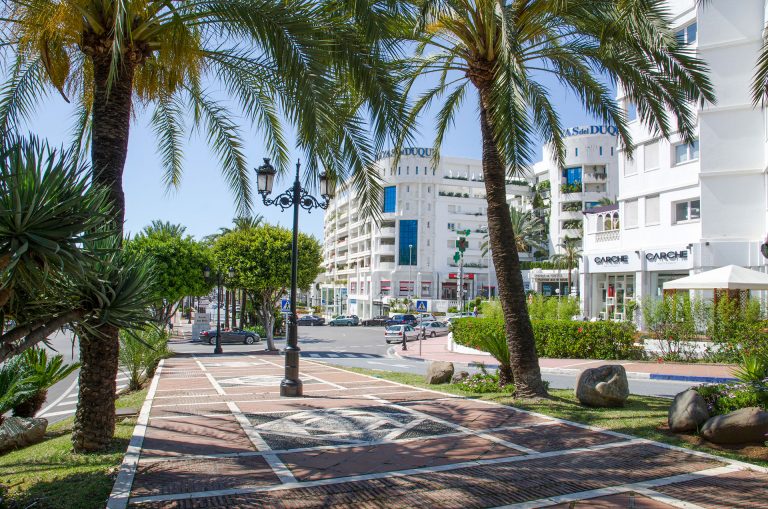
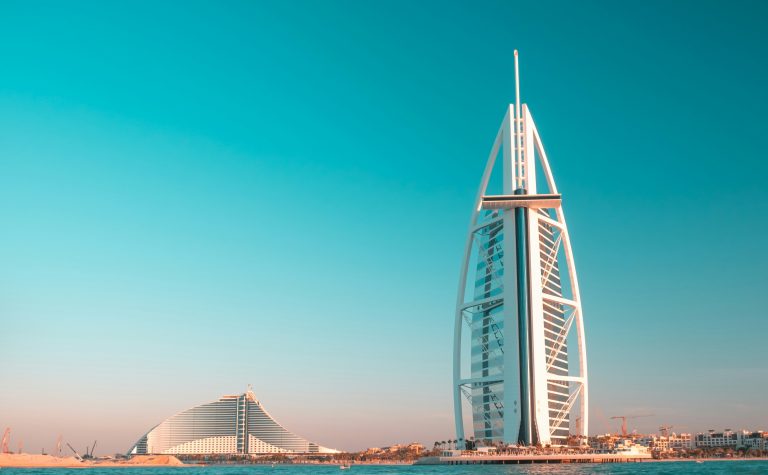
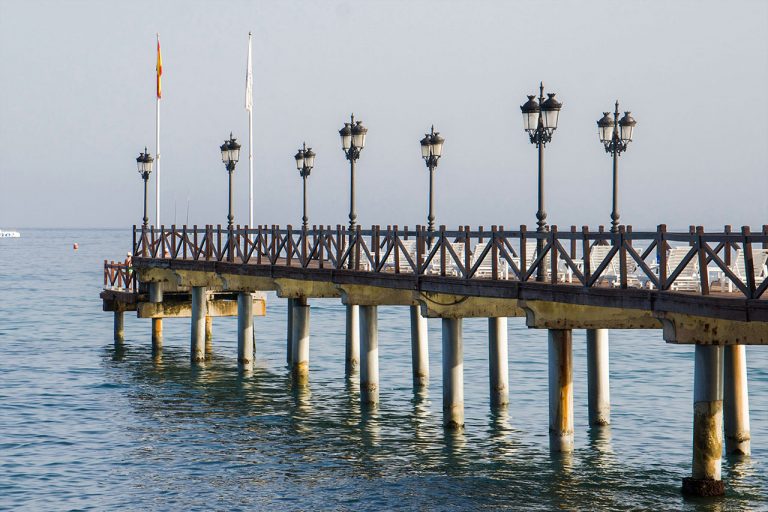
Imagine waking up in a private villa on Spain’s sun-soaked Costa del Sol, where golden beaches, rich culture, and world-class

1. Overall Growth and Visitor Numbers Record-Breaking Tourism in AndalucíaAccording to official figures, Andalucía welcomed 12.2 million international tourists in

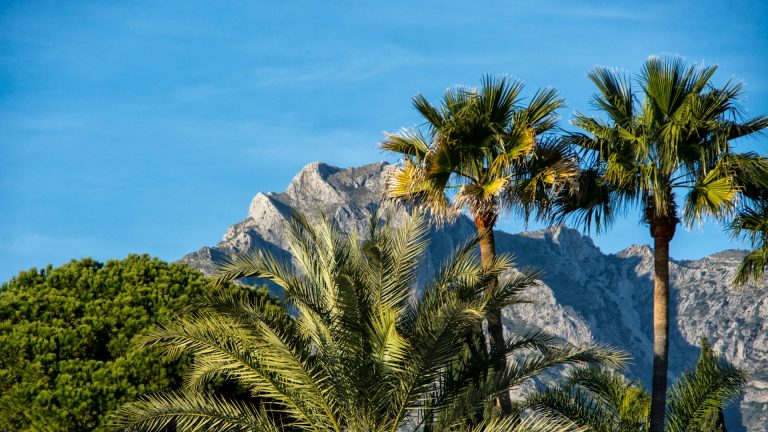
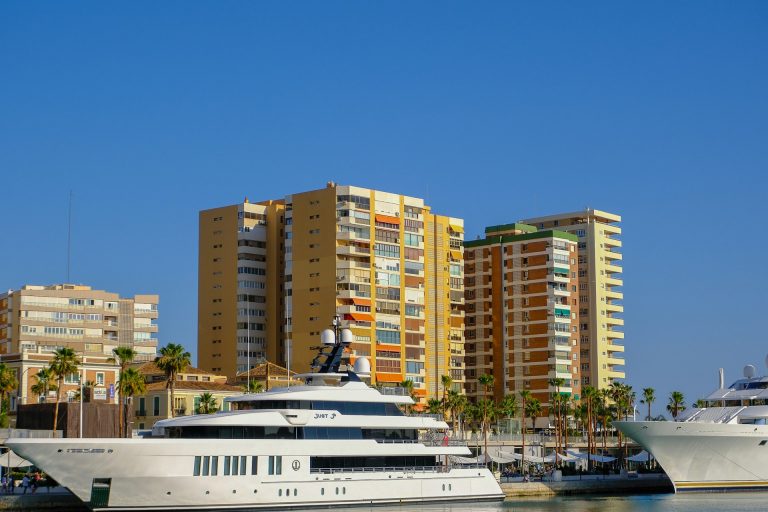
The Costa del Sol remains one of Europe’s most active property markets, pulling in international buyers from the UK, Scandinavia,
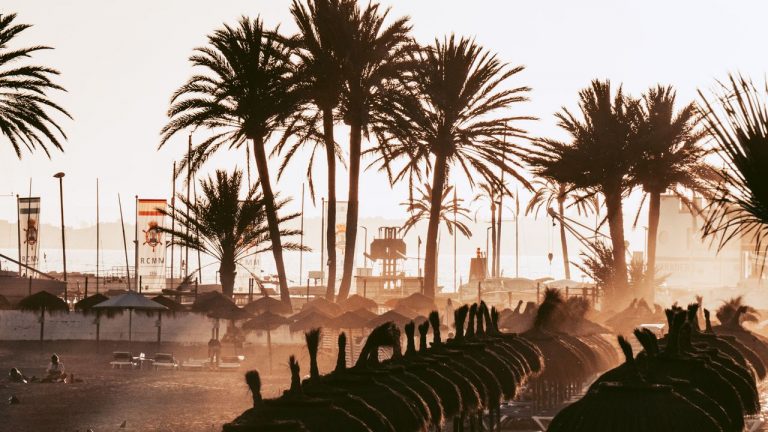
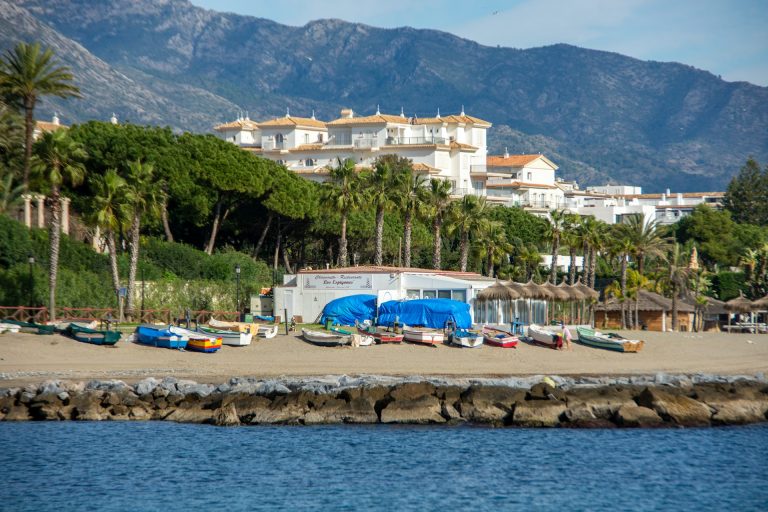
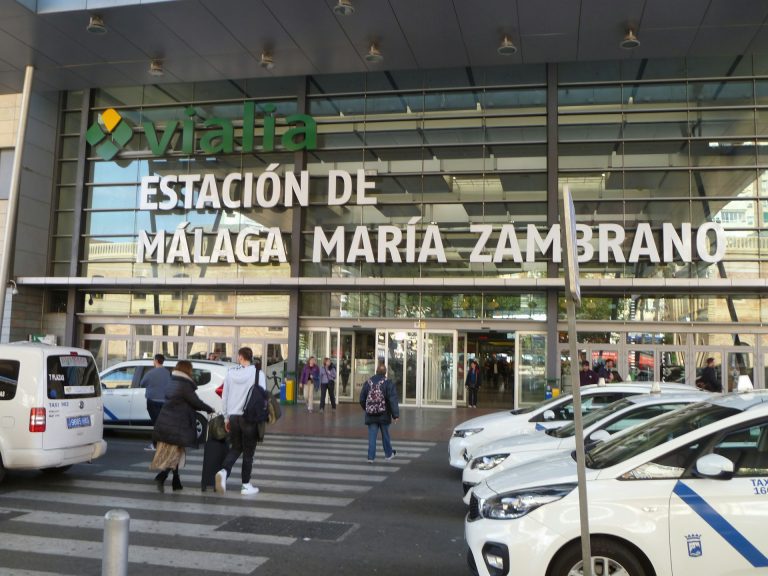
Whether you are a professional navigating the Costa del Sol’s primary economic corridor or a traveler looking to experience the
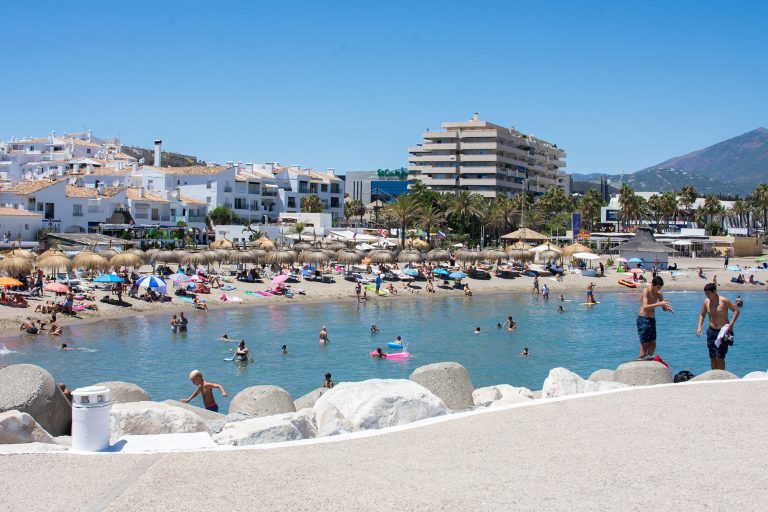
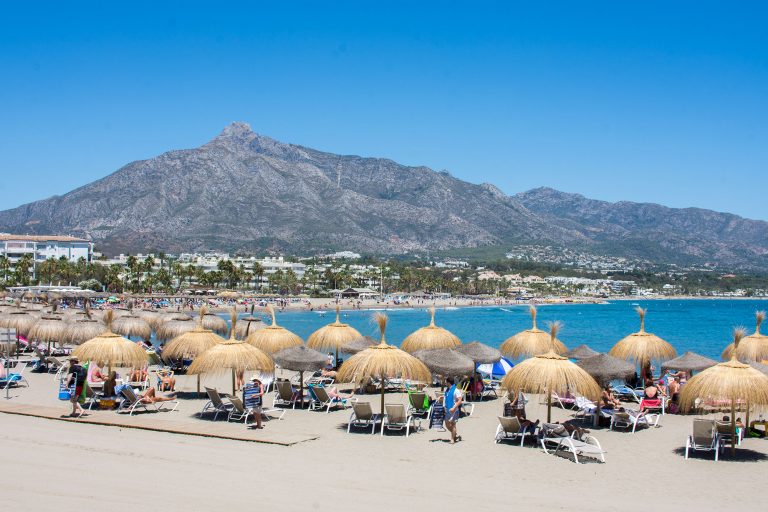
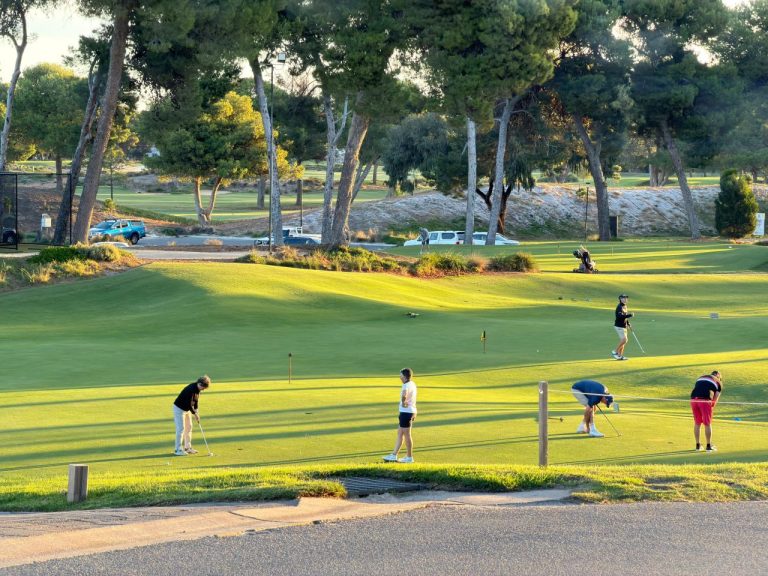



When it comes to planning your dream holiday in the sun-kissed destinations of Marbella and Estepona, the right vacation villa

Marbella’s housing market is undergoing a dramatic transformation — and for many locals, it’s becoming harder than ever to find
This report provides a detailed analysis of the short-term rental (STR) market in Marbella for 2025 and offers a forecast

Marbella, the shining star of the Costa del Sol, is globally renowned for its luxury lifestyle, world-class golf courses, and

The allure of owning a home in Marbella is undeniable, but the responsibility of property ownership in Spain comes with

Selling a property in Marbella‘s competitive market requires more than just a listing. To truly maximize property sale price and
1. Rising Property Prices (But Stabilizing) 2. Strong International Demand The Product: What Buyers Want 3. Luxury and Exclusive Developments
Entry-level apartments in San Pedro or the town centre start around €250,000. Golden Mile and Sierra Blanca villas range from €2 million into the tens of millions. Budget an extra 10–12% on top of the purchase price for taxes and fees.
Yes, but supply is tight — many landlords have shifted to short-term holiday lets. A two-bedroom apartment runs €1,500–€2,500/month; a three-bedroom villa with a pool starts around €3,500. Start your search 2–3 months ahead.
Almost certainly. The town is spread out and the bus network is limited. The Old Town and Puerto Banús are walkable day to day, but reaching schools, golf courses and supermarkets elsewhere needs a car.
Sierra Blanca & Nagüeles and Elviria & Las Chapas are the most popular with families — space, security, and proximity to the main international schools.
The Old Town and Puerto Banús work well car-free; most other neighbourhoods are difficult without one.
About 45–50 minutes via the AP-7 toll motorway, longer on the free N-340 coastal road, especially in July and August.
Good and reasonably priced by northern European standards. Hospital Quirónsalud Marbella and HC Marbella International Hospital are the main private options; Hospital Costa del Sol serves the public system.
Yes — Aloha College, Laude San Pedro International College and The English International College are the three most established, covering British and bilingual curricula.